



)
)
)
:format(webp))
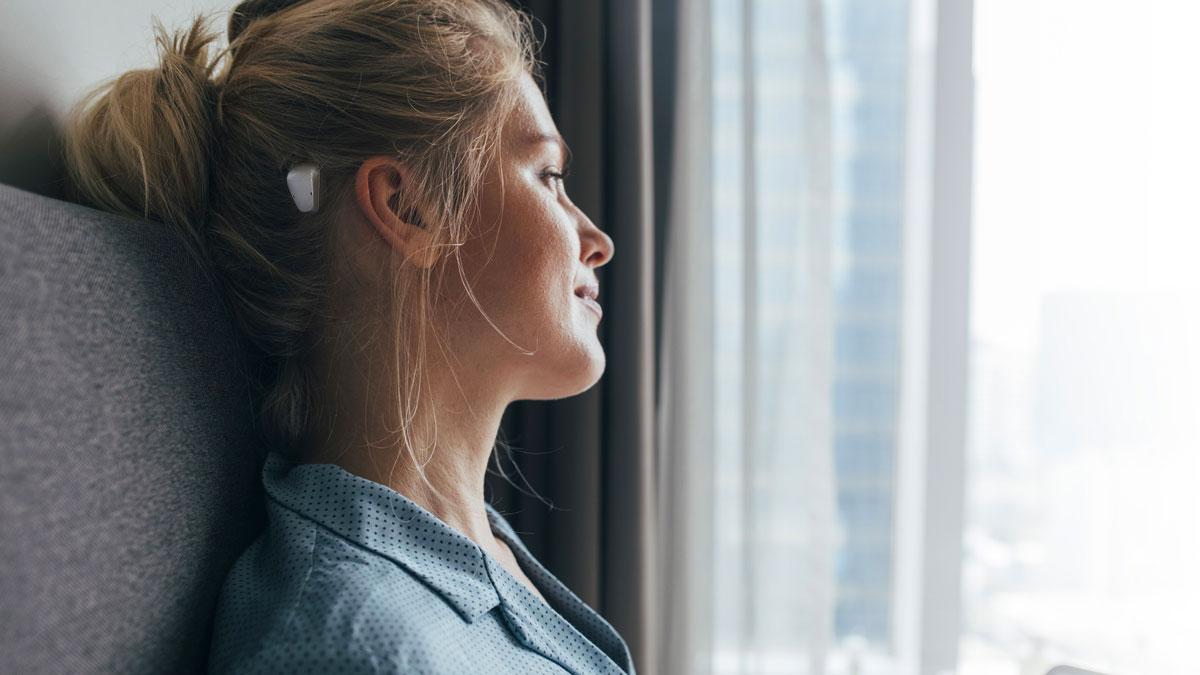
Bone anchored hearing aids (BAHAs) are innovative devices designed to help people with certain types of hearing loss who receive limited benefit from traditional hearing aids.
Unlike traditional hearing aids that amplify sound through the ear canal, BAHAs bypass the outer and middle ear entirely, making them a better option for those with conductive or mixed hearing loss. Traditional hearing aids might struggle with occlusion and feedback, issues that BAHAs largely avoid. However, BAHAs require surgery and long-term maintenance, which is not necessary with traditional hearing aids.
:format(webp))
BAHAs consist of two main components:
There are two primary types of BAHAs:
Abutment BAHAs generally provide better sound quality and more powerful amplification due to their direct contact with the bone, making them suitable for individuals with more severe hearing loss. However, the visible protrusion of the abutment can be cosmetically unappealing, and it increases the risk of infection and potential trauma from accidental bumps. Regular cleaning is required to maintain the area where the abutment exits the skin.
Released in 2021 by Cochlear™, the Baha 6 Max Sound Processor is a popular abutment BAHA.
:format(webp))
The Baha 6 Max is ideal for individuals with single-sided deafness (SSD), conductive, or mixed hearing loss, fitting up to a 55 dB HL sensorineural hearing loss. It offers significant improvements in power output, battery life, and overall design, making it a preferred choice for many existing BAHA users.
On the other hand, magnet BAHAs are cosmetically more appealing and have a lower infection risk since the implant is completely under the skin, eliminating the need for an external abutment. Maintenance is easier with no daily cleaning required, but the magnetic attraction can cause skin irritation or thinning, and the sound quality may be slightly reduced compared to abutment BAHAs due to the skin barrier. For those with thicker skin or more severe hearing loss, stronger magnets might be necessary, which could lead to discomfort.
The choice between abutment and magnet BAHAs should be made based on individual hearing needs, lifestyle, and personal preferences, with guidance from an audiologist and ENT surgeon.
The Osia 2 System, introduced in 2019, is a popular magnet Baha. It is the first active osseointegrated steady-state implant, featuring a piezoelectric transducer fully implanted under the skin.
:format(webp))
Key features include:
The Osia 2 System is approved for individuals aged 12 and older with SSD or conductive/mixed hearing loss, offering enhanced high-frequency gain and improved speech understanding in noisy environments. It is particularly suitable for those seeking a fully implantable solution with superior sound quality and minimal cosmetic impact.
BAHAs are typically recommended for individuals who:
The surgical procedure to implant a BAHA is typically performed as an outpatient procedure under general anesthesia. It usually takes between 30 to 60 minutes, depending on the type of system being implanted.
After surgery, there is a healing period of about 1-3 months to allow for osseointegration, where the bone fuses with the titanium implant. Once healing is complete, the external sound processor can be fitted and programmed by an audiologist.
Improved sound quality and speech understanding
No occlusion of the ear canal
Suitable for people with outer or middle ear problems
Advanced technology options like direct streaming and smart apps
Requires surgery
Potential for skin irritation or infection around the implant site
Regular maintenance and battery changes
Limited compatibility with Android devices for some systems
Lack of rechargeable battery options
BAHAs require regular follow-up visits with your audiologist to ensure the device is functioning properly. The implant site needs to be monitored for any signs of infection or irritation. The external sound processor may also need occasional updates or replacements, typically every 5-7 years. It's essential to follow the recommended care routine to maximize the lifespan of the BAHA system.
The cost of a BAHA system can be substantial, often ranging from $5,000 to $15,000, including the surgery, device, and post-operative care. Unlike traditional hearing aids, which are often not covered by insurance, BAHAs are generally considered prosthetic devices and may be covered by many insurance plans. However, coverage can vary significantly depending on the type of insurance and specific plan details.
Medicare Coverage: Medicare considers BAHAs to be prosthetic devices and typically covers them. Beneficiaries should work with their surgeon's office to determine eligibility for coverage and benefits.
Medicaid Coverage: Coverage for BAHAs under Medicaid varies by state. Prior authorization is generally required, and coverage for adult recipients may differ based on state-specific guidelines.
Commercial Health Plans: Coverage under private insurance plans can vary widely. It's recommended that patients:
Factors Affecting Coverage: Insurance coverage for BAHAs may depend on:
It's important to note that some insurance companies may initially deny coverage by classifying BAHAs as hearing aids. In such cases, patients may need to appeal the decision, emphasizing that BAHAs are prosthetic devices that function differently from traditional hearing aids.
If coverage is denied, there are resources available to help patients appeal the decision. Some BAHA manufacturers also offer assistance programs to help navigate the insurance process or provide financial support.
Given the complexity of insurance coverage for BAHAs, it's advisable for patients to thoroughly review their plan documents and work closely with their healthcare providers and insurance company to understand their coverage options.
The field of bone-anchored hearing aids is rapidly evolving, with ongoing research focused on improving sound quality, device comfort, and cosmetic appeal. Future developments may include rechargeable batteries, even smaller processors, and enhanced wireless capabilities.
Dr. Bailey is a leading expert on consumer technology in the audiology industry. He is a staunch advocate for patient-centered hearing care and audiological best practices, and welcomes any technological innovation that improves access to quality hearing outcomes. Dr. Bailey holds an Au.D. from Vanderbilt University Medical Center.
Dr. Chad Ruffin is an ear, nose, and throat doctor in Seattle who specializes in hearing restoration and ear surgery. He is one of the first people born with severe hearing loss to become a surgeon using cochlear implants. He performs cochlear implants and hearing restoration surgery and teaches his patients how to live to the fullest with hearing loss. In addition to treating patients in the clinic, he also researches and develops technology for hearing loss.