Who makes the Osia bone conduction implant?
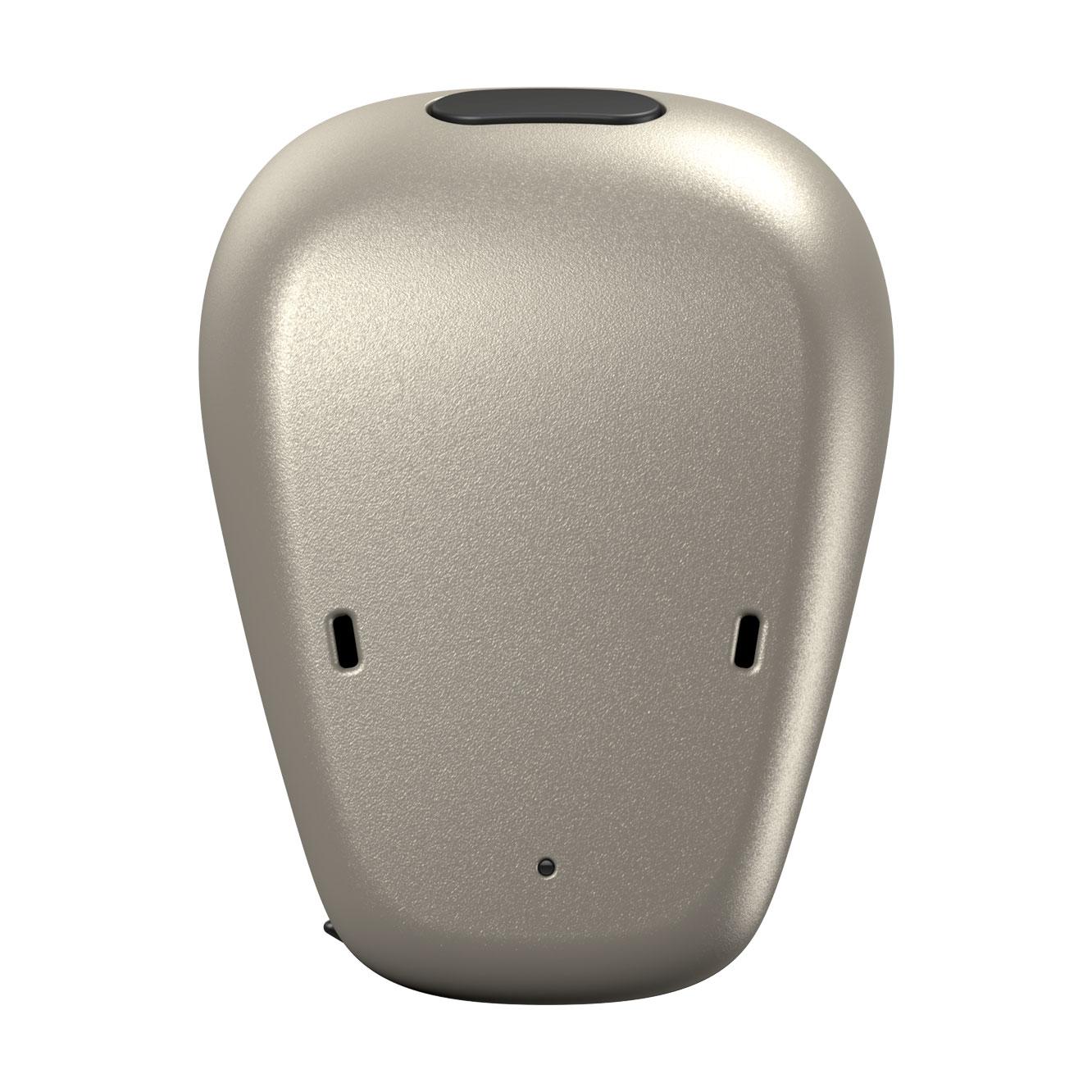
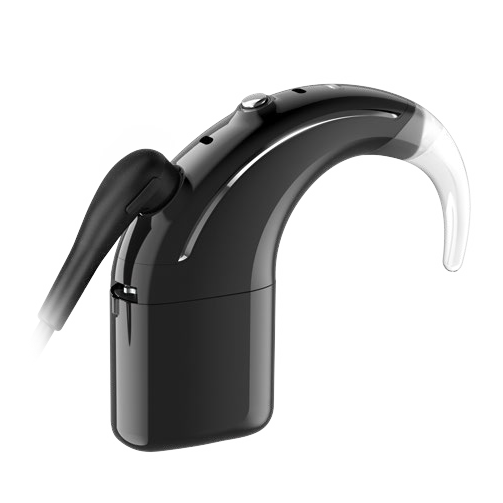
Osia 2 is made by Cochlear, a worldwide leader in cochlear implants and bone anchored hearing aids (Baha). Based in Sydney, Australia, but with a worldwide presence, Cochlear currently leads in market share with approximately 60% of the global sales of auditory implant devices. Osia 2 and the Baha 6 are the company’s two newest products in their bone conduction solutions portfolio.
Understanding bone-anchored hearing systems and the Osia System for conductive hearing losses
As a newer approach for bone conduction hearing solutions from Cochlear, Osia 2 was FDA approved in December 2019. Let’s review a bit more background information to help you understand the differences in the company’s bone anchored solutions.
Bone anchored hearing aids do not work like typical hearing aids which pick-up sound, process and amplify it, then deliver an acoustic signal into the ear canal. Instead, they rely on the fact that sound can be transmitted to the inner ear (cochlea) by vibrating bone (skull or teeth). This is done in cases where medical or hearing contraindications exist for a traditional air-conduction hearing aid.
For example, the Osia System is indicated in cases of chronic ear infections, outer- or middle-ear malformations, or significant conductive or mixed hearing losses. It's also indicated for Single-Sided Deafness (SSD) where the device is used on the deaf ear and sound is then transmitted via bone conduction to the better cochlea. Therefore, bone conduction devices work by bypassing the usual conduction of sound through the outer and middle ear and, instead, conduct sound via bone directly to the inner ear.
With Cochlear-brand devices, the bone vibration can be achieved two ways: non-surgically by placing a speech processor with a transducer that vibrates against the head, or surgically via a titanium implant and processor. The non-surgical option is achieved by a cloth headband or malleable headpiece which holds the processor against the skin of the head. There is also the unique Med-El ADHEAR system which consists of an adhesive adapter (a kind of high-tech “sticker”) that contains a place for the audio processor to click on. The vibrations transfer through the skin to the bone and then to the cochlea.
The non-surgical options allow for trialing bone conduction hearing without the need for surgery. This is advantageous, for example, when a child is too young for surgery, there are contraindications for surgery, or for anyone who simply wants to see how effective the device may be for them before committing to surgery.

:format(webp))
:format(webp))
:format(webp))


)
:format(webp))


:format(webp))




:format(webp))

:format(webp))