1) Why didn’t we include Costco in our rankings? Offering flagship hearing aid technology fitted by licensed professionals at prices starting at around $1,500, Costco’s hearing aids would dominate any top-10 list for value. For many people, Costco's hearing aids are a great value; however, particularly for people with more severe or complex hearing losses (or who just want more personalized care and services), there can be some significant downsides to getting a Costco hearing aid, which we address on our Costco hearing aid page.
2) What’s the REAL price you’re going to pay? Obviously, price plays a huge role in determining the rankings above, and, as with any medical device, costs will vary by provider. We’ve reported average prices for what dispensing professionals have reported charging for the respective hearing aids. But costs vary widely depending on the office type, region, your hearing loss, and the services required. If you’re paying less or more than what’s being reported above, the value you receive should move up or down accordingly.
3) Are best practices included in the hearing aid price? The HearAdvisor lab tests hearing aids using both an “Initial” first-fit (i.e., basic audiometric programming without adjustments) and Tuned (i.e., audiologist-optimized using best practices) condition. The latter can make all the difference in your ACTUAL hearing aid benefit—and is probably more important than any tech or performance ratings we can assess in a lab. In other words, the skill and care of your hearing care provider and their use of best practices are crucial factors in the actual value of any prescription hearing aid.
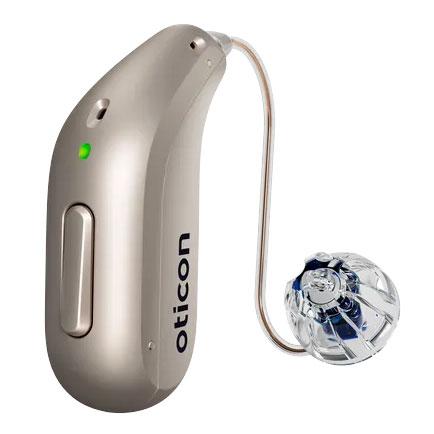
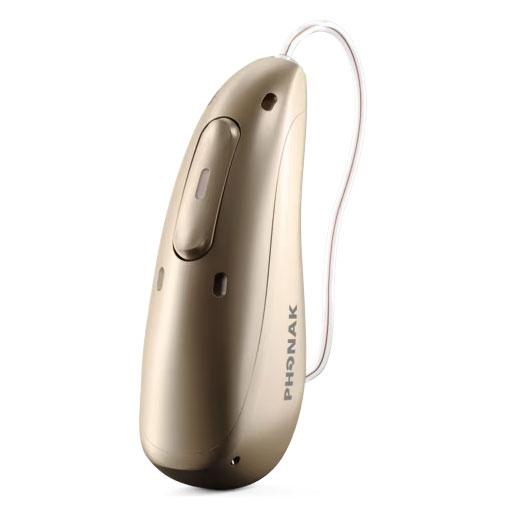
4) Lower-cost, lower-tech levels, and older models can give you great value! HearAdvisor lab testing focuses mostly on premium-level hearing aid models. This is so we can obtain an apples-to-apples assessment of how each hearing aid manufacturer’s “best technologies” stack up against one another. Most major hearing aid brands offer 2-4 technology levels, giving you more options at different price points. And while new models arrive every 1-2 years, the changes aren’t always game-changing—meaning older models are often the real bargains. That’s why HearingTracker is a proponent of mid-level and economy tiers, along with proven previous-gen picks like Widex Moment, Phonak Lumity, and Oticon More (all top-10 value picks, as shown above).
5) Small differences in HearAdvisor and HearingTracker scores probably aren’t crucial. Although we’ve ranked the best hearing aids above based on rigorous testing, in reality, that might mean one hearing aid that scored a few decimal points higher on a test might rank higher but have little or no noticeable difference in real-life performance. All the products mentioned in this article should be good choices in terms of value—IF they’re appropriate for your hearing loss, cost “in the ballpark” of the price listed, and are fitted by a good professional who observes best practices.
)
)
)


:format(webp))

)
)