Feedback is that annoying squeal you sometimes hear with hearing aids or at any meeting/event where a microphone gets too close to the receiver. Historically, feedback was a big problem with hearing aids. Not only did it limit the amount of volume and frequency response the hearing aid could provide, but it also could be quite embarrassing for the wearer. However, today’s modern hearing aids do an excellent job of keeping feedback to a minimum while still allowing for comfortable and open fittings.
Speech Rescue™ for those missing consonants
This is Oticon’s frequency (pitch) lowering strategy and is available in both Zircon levels. Frequency-lowering strategies are now available from most manufacturers. Simply put, they take high-frequency sounds and make them available at lower frequencies. As you might guess, this is done when your hearing in the high frequencies is very poor and amplifying those high frequencies would do little to help your speech understanding. The goal is to take the auditory information in those high frequencies (like the /s/ sound) and make it available in the lower frequencies where you are likely to have better hearing. So, sounds that weren’t otherwise going to be audible, now are available for listening—only at a lower pitch.
The benefit of these frequency lowering strategies is not solidly verified by research, and some users don’t like the (purposely) shifted sounds. However, there are wearers and HCPs who swear by their benefit. If you have a severe to profound hearing loss in the high frequencies, discuss the option with your HCP.
Tinnitus SoundSupport™
Many people with hearing loss also suffer from tinnitus. Tinnitus is often characterized as “ringing in the ears,” and usually takes the form of a buzzing, whistling, or pulsing sound. Most of us have had it at one time or another and even people with normal hearing may experience tinnitus. For some, it’s hardly noticeable and for others it can become very distressing, interfering with sleep, concentration, work, etc.
Many manufacturers, including Oticon, incorporate tinnitus features in their hearing aids. With Zircon, this means that you and your HCP have access to a variety sounds to help mask or minimize the audibility and nuisance of your tinnitus. For some, simply wearing a hearing aid will help alleviate their tinnitus symptoms, but for others the added tinnitus signal is needed.
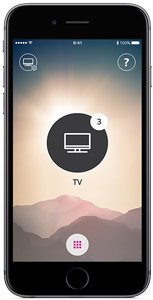
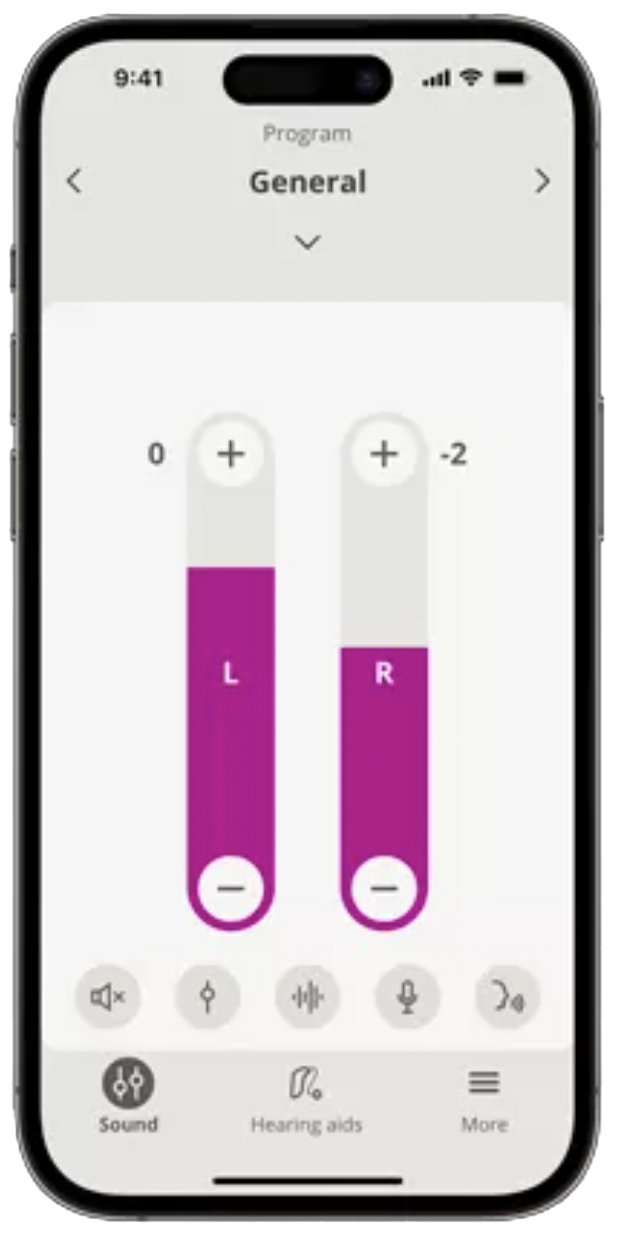
This feature will need to be turned on in the programming software by your HCP, and they will have a choice of 4 broadband sounds (like white noise), and 3 ocean-like sounds that can be customized by your HCP. You can also make changes to the tinnitus sounds with the Oticon’s smartphone app, Oticon ON. Not all manufacturers allow the wearer to modify the tinnitus sound beyond a simple change in volume. Giving the wearer the ability to make at least some basic changes to the tinnitus sound can be very helpful especially for those that have tinnitus that changes in degree or tone throughout the day.
myMusic for better sound quality
Music can be a difficult sound for some hearing aids to process. Music, at least to the hearing aid, may sound like feedback, for example, and the hearing aid will try to make changes to minimize or alter that sound. However, modern digital hearing aids are getting better at distinguishing music from other sounds and ensuring that it is amplified in such a way to provide a rich and quality sound. When we listen to music, we may have different loudness tolerance than we would for speech presented at the same level. We may also want to hear more bass sounds or more emphasis in the mid-frequencies. Music programs within hearing aids, take into account these considerations but are employed differently across manufacturers.
Some hearing aids, including the Zircon, will classify music and make programming changes to make music sound more full and pleasant by changing gain and compression settings. This occurs for both live music and for streamed music signals and is dedicated to a separate music listening program.
)
:format(webp))
:format(webp))


:format(webp))

:format(webp))


:format(webp))