AI Sound Processing and Speech in Noise
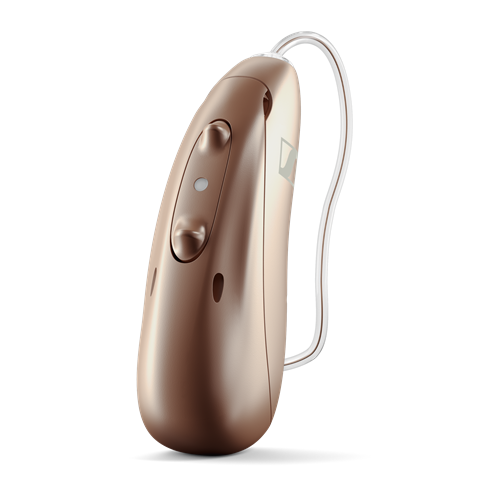
The strongest selling point for Sonite Rise is that the hearing aid uses AI-driven automatic processing to adapt to the user’s listening environment without constant manual adjustments. The system was trained with more sound environments than the previous generation Sonite R and is designed to improve speech understanding in noise while maintaining sound quality.
Sonite Rise includes automatic programs for car, loud noise, music, comfort, noise, quiet, streamed speech plus microphone, and streamed music plus microphone. It also supports up to four additional programs, including car, loud noise, speech direct, noise, quiet, comfort, music, acoustic phone, and custom programs.
For speech-in-noise, Rise features directional microphones, Speech Manager, Speech Boost, Narrow Speech Focus 2.0, Dynamic Noise Manager, Motion Sense, Noise Manager, and Binaural Sync. In plain language, this means the hearing is designed to detect the listening environment, use directional microphone strategies when appropriate, reduce competing noise, and preserve access to speech from the front or other directions depending on the situation.
Rechargeability and Battery Life
Sonite Rise uses a built-in rechargeable lithium-ion battery. Sennheiser advertises “up to 31 hours” of hearing aid battery life, while the technical datasheet lists an expected operating time of 20 hours across receiver configurations. Fully charging the hearing aids takes 3 hours before first use, and if you’re using them and get a low-battery warning, it means you have about 60 minutes before the hearing aids need to be charged (though that timing can vary depending on settings).
The Charger Go is a strong, portable, practical feature of Sonite Rise. Instead of requiring users to plug in every night or carry only a basic desktop charger, the Charger Go includes an internal battery that provides 3 additional full charges when fully charged, making it helpful for travel, weekends away, or users who worry about forgetting to plug in at night.
Bluetooth, App, and Accessories
Sonite Rise offers a broad Bluetooth approach for both Android and Apple iOS devices (you can check your device on the compatibility page). Sennheiser says the hearing aids can pair with up to eight Bluetooth devices and stay connected to two at the same time—the same as all Sonova-made wireless hearing aids.
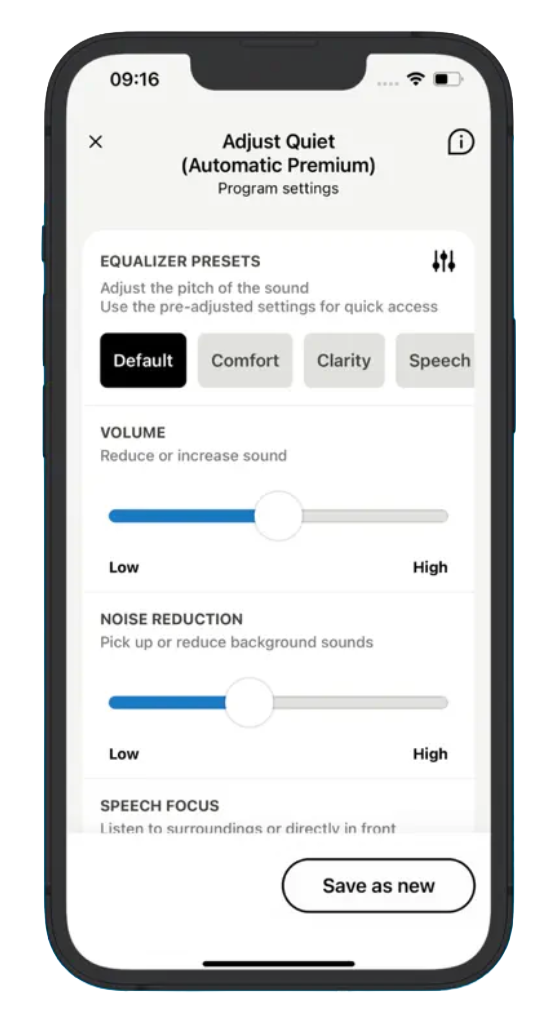
The Easy Line Remote app functions as the main smartphone control center. It can adjust volume, split left/right volume, mute the hearing aids, select programs, and modify settings such as equalizer presets, noise reduction, speech focus, and dynamic control when available. Sennheiser also lists Find My Hearing Aids and remote support through the app.
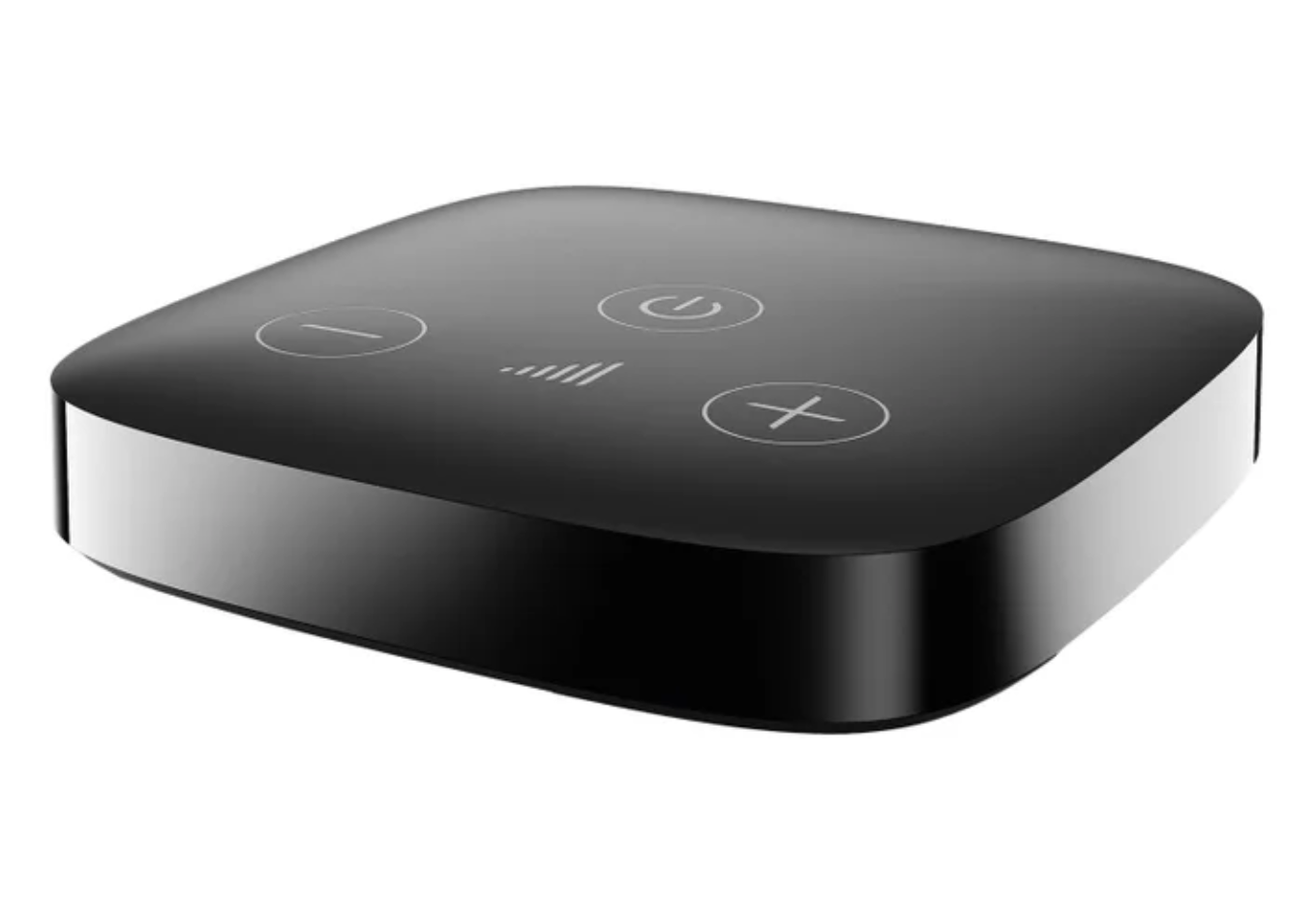
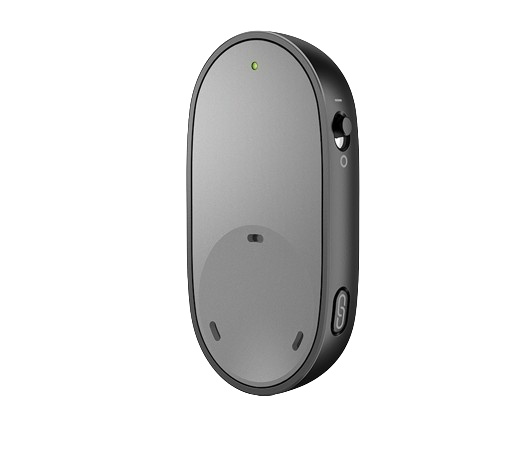
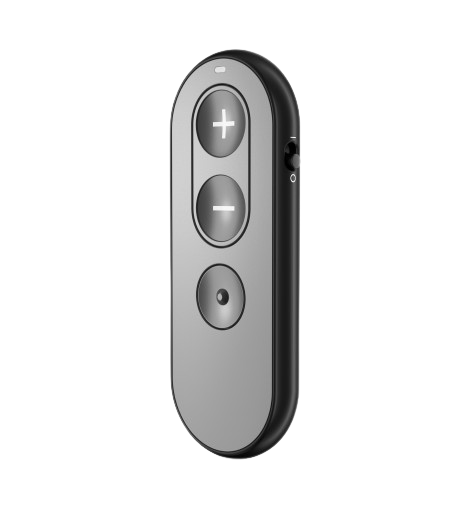
Accessory support is strong. Sonite Rise can be paired with the Easy Line TV Connector, Easy Line PartnerMic, and Easy Line Remote Control as compatible accessories. It also has TV Connector and Roger wireless microphone connectivity—both tremendously useful accessories. Please see the bottom of this page for more detailed information about Rise’s accessories.
Fit, Receivers, Domes, and Custom Earmolds
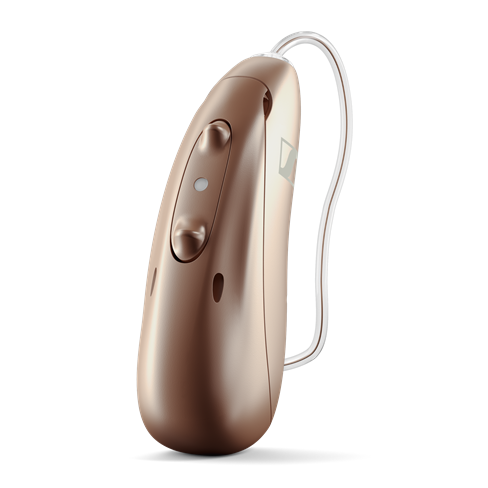
Sonite Rise is not a one-size-fits-all hearing aid. The S, M, P, and UP receiver options means fitting ranges that extend from mild losses through severe losses and, with the UP receiver, into moderate-to-profound ranges. We’ll caution, however, that many Costco hearing centers may not have a ton of time that might be required for those with more severe or complex hearing losses; if this is your case, you might want to consider a traditional audiology practice or clinic that has the time to give you more individualized care.
The earmold selection is also fairly broad. Product materials list EasyGuard vented domes, cap domes, open domes, vented domes, power domes, SlimTip options, and cShell options in acrylic or titanium. That range should allow Costco fitters to balance comfort, openness, feedback control, low-frequency sound quality, and high-frequency audibility.
For many first-time users with mild-to-moderate hearing loss, open or vented domes may feel more comfortable and natural. People with greater hearing loss, feedback problems, or a need for more low-frequency amplification may be better candidates for power domes, SlimTips, or cShells.
At HearingTracker, we’re big fans of custom-made earpieces that are made specifically for your ear canals. They usually come at an additional cost (around $150-$300/pair at most clinics, though prices vary widely and may be lower at Costco) and require extra fabrication time. However, we recommend asking your provider whether they’re right for you; in many cases, they can make a significant difference in comfort and acoustic quality.
)
:format(webp))
:format(webp))