Wireless audio streaming
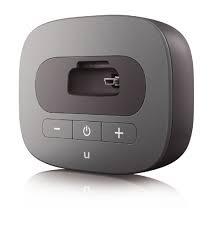
Unitron and its Sonova-owned sister company, Phonak, both offer true Bluetooth hearing aids. They were the first manufacturers to provide a universal wireless solution that can stream stereo audio directly to and from any of the millions of standard Bluetooth-enabled audio devices in the world today. In addition, their hearing aids allow the wearer to enjoy hands-free calling from compatible phones as the hearing aids act as wireless headsets.
Unitron and Phonak Bluetooth compatibility includes Andriod™ phones, which currently account for approximately 73% of the global smartphone market and 42% of the U.S. market. While most hearing aid manufacturers now have some level of Android compatibility, several do not support the hands-free calling option. You'll find that most manufacturers have a hands-free option for many compatible iPhones®.
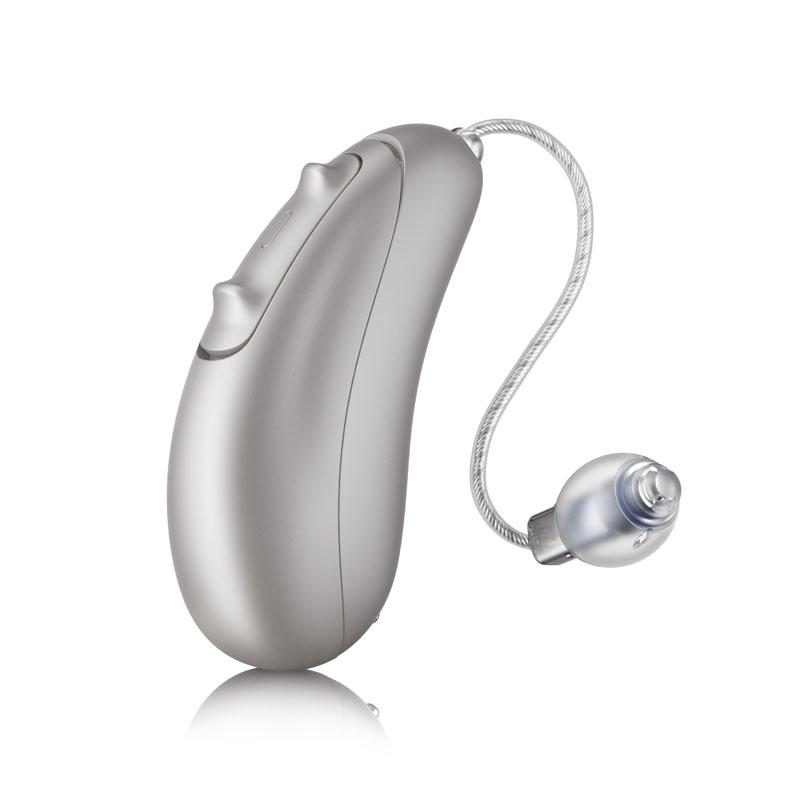
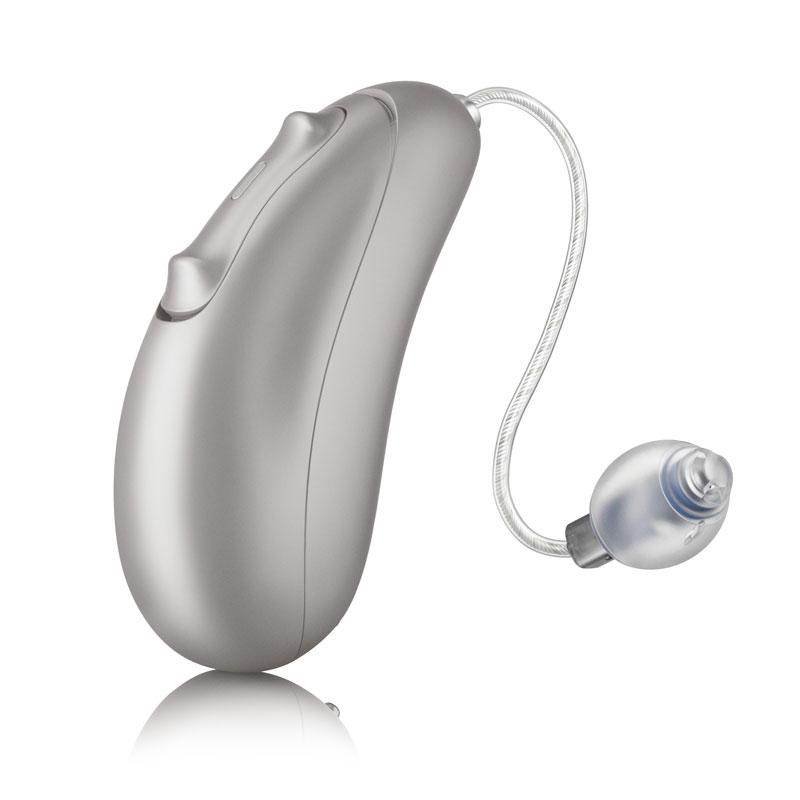
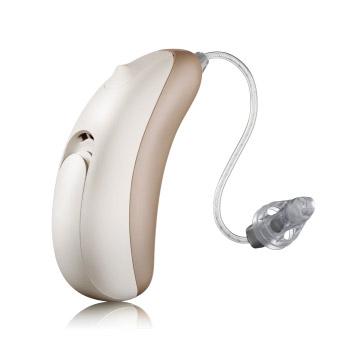
Unitron’s newest Bluetooth hearing aids on the Smile, Vivante, and Blu platforms allow for two active connections and pairing for up to eight different devices. The company also offers several other Bluetooth hearing aid models at different technology and power levels. These include Moxi Receiver-In-Canal (RIC), Stride Behind-The-Ear (BTE), and some Insera custom products.
HyperFocus
HyperFocus, available in the Smile and Vivante lines, aligns the hearing aid's directional microphones to a narrow beam in front of the listener in high noise situations. The intent is to improve the signal-to-noise ratio and the listener's ability to hear speech in challenging noise situations. HyperFocus will automatically engage in the new "conversation in loud noise" automatic listening program for the level 9 technology tier (highest level) in Vivante. However, it is also available in the level 7 technology tier but must be accessed manually by the wearer. "Conversation in loud noise" is also a new feature of Vivante allowing for an 8th environmental classification category in the level 9 products. When you step down in technology tiers, and usually price, you are limited to 6, 4 or even just 2 distinct listening environments.
Why is this important? The answer is, it may not be if you are in rather limited listening situations. However, if you lead an active lifestyle and find yourself in varying and challenging listening situations, the more advanced the technology levels may provide you improved listening performance. Keep in mind that this depends on many factors including the level of any noise, your degree and type of hearing loss, the room's acoustics, to name a few.
360 Conversation in Car
This listening program in Smile and Vivante allows the wearer to manually switch to a program specifically designed to enhance conversation clarity in the car, regardless of where people are seated. This may be especially helpful for wearers who need to hear passengers in the back seat. Note that the 360 conversation in the car is only available in the higher product tiers, and you must be wearing two hearing aids (binaural fitting).
)
)
:format(webp))
:format(webp))
:format(webp))
:format(webp))


:format(webp))
:format(webp))
:format(webp))
:format(webp))
)