Produktbewertung
Yeasound RIC800: Audiologist and Lab Reviewed
)
The speech in noise score measured for Yeasound RIC800 was 0.90 points above the category average. Its absolute score was 2.1/5. This means it was above category average, but only mixed in absolute terms.
The speech in quiet score measured for Yeasound RIC800 was 1.45 points above the category average. Its absolute score was 4.1/5.
The streaming music score measured for Yeasound RIC800 was 2.43 points above the category average. Its absolute score was 4.3/5.
Im Blindhörtest vergleichen
Yeasound RIC800 mit anderen bei HearAdvisor vergleichen
)
Unser Expertenteam wählt Produkte sorgfältig aus und testet sie gründlich. Wenn Sie über unsere Links kaufen, erhalten wir möglicherweise eine Provision. So halten wir unsere Bewertungen unabhängig.
Kaufen bei Yeasound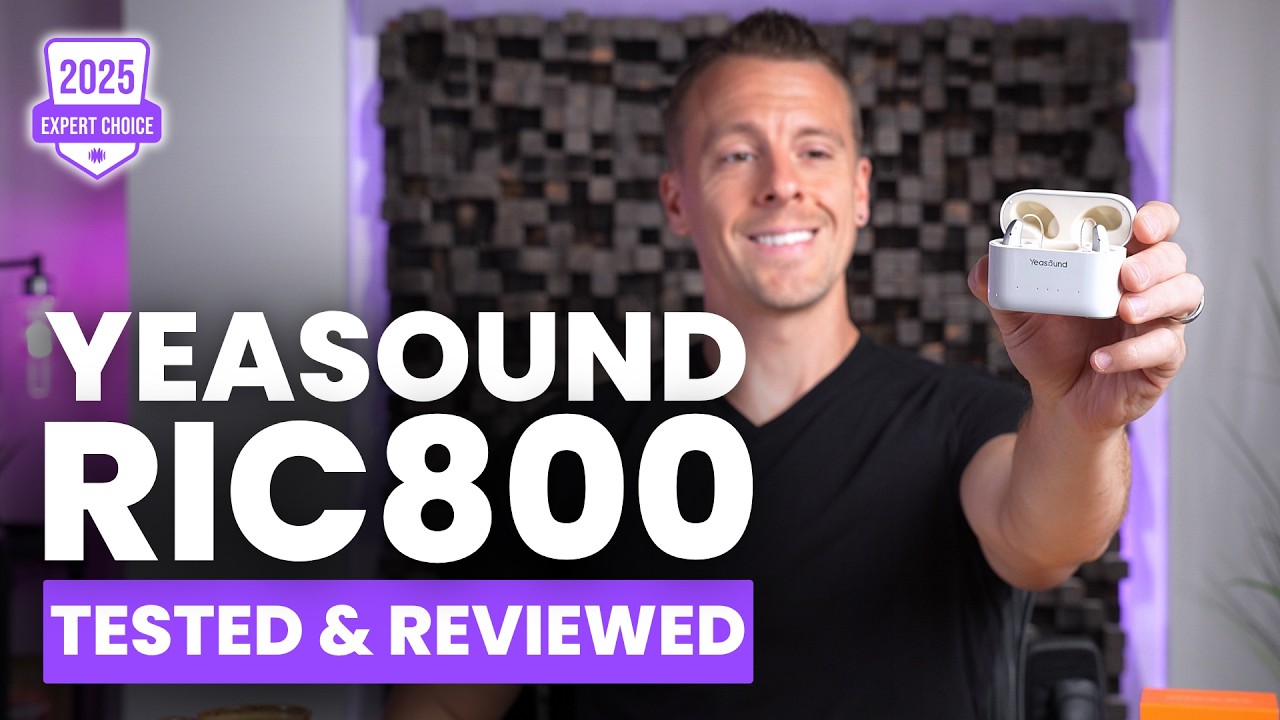
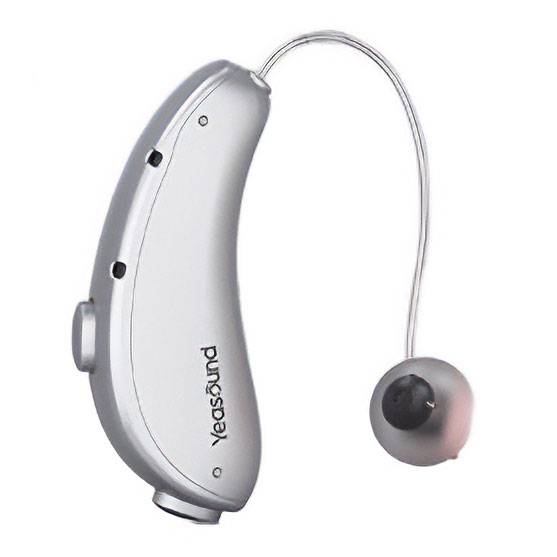
Yeasound’s RIC800 is the company’s newest receiver-in-canal (RIC) over-the-counter hearing aid, sold online for around $699 (currently discounted to $659 on the company's website). On paper, the RIC800 promises a meaningful step up from the older RIC700 Plus, with AI-based noise reduction, a new automatic (“adaptive”) program, and the same strong core checklist: hands-free calling, app control for iOS/Android, and up to 31 hours of rechargeable battery life.
After working through the unboxing, app setup, and HearAdvisor lab testing, my impression is pretty clear: RIC800 is a solid OTC option under $1,000—but the improvements over RIC700 Plus feel incremental, and the price bump is the main sticking point.
If you want a straightforward, preset-based OTC RIC that’s discreet, dependable, and generally “feels” closer to a traditional hearing aid than many earbud-style OTC devices, RIC800 is worth a look—especially when on sale. Just go in with realistic expectations: no audiogram-based fitting, limited telehealth support, and only four hearing-profile presets.
A quick summary of what I found in our lab testing: Testing of the Yeasound RIC800 by the independent HearAdvisor lab resulted in an “A” SoundGrade for the RIC800, with exceptional performance for speech in noise, speech in quiet, feedback handling, and music streaming quality. One thing it didn't score higher than most other OTC aids was own-voice perception (occlusion). In short, RIC800 is one of the best-performing OTC hearing aids we've tested to date.
The biggest day-to-day difference is the charging case experience.
RIC700 Plus shipped with a larger case that doubled as a charging dock + dryer, and the way the USB plug sat on the bottom made it awkward to use when you weren’t docked. RIC800 moves to a smaller portable case with the USB-C port on the back, which is simply easier to live with.
:format(webp))
On the hearing aid side, RIC800’s main headline upgrades are:

RIC800 arrives with the essentials plus a few nice practical touches:
One small hardware note from my time with this hearing aid:
:format(webp))
In objective HearAdvisor lab testing, RIC800 scored well overall (4.4 out of 5) as shown in the table below, with minor improvements over RIC700 Plus—the largest being audio streaming quality.
There was no difference between the initial and tuned fits in testing for the RIC800, because there were no additional programming or physical adjustments available to justify a “tuned” outcome in our testing decision tree. In plain English: what you get out of the box is close to the ceiling of what the product can do. I find this both good for simplicity's sake but limiting because it offers less personalization for your individual listening preferences.
RIC800 | RIC700 | |
|---|---|---|
Speech in quiet | 4.1 | 4.0 |
Speech in noise | 2.1 | 1.7 |
Music streaming | 4.3 | 2.7 |
In the box on the right, you can also view the overall Hearingtracker Score (4.2 out of 5), as well as individual attribute ratings, and listen to a sound sample. The HearingTracker score is slightly lower than the lab testing score, primarily due to the lack of app features and onboarding/tech support from an audiologist or hearing aid specialist.
As we were publishing this article, Yeasound sent out a general message to all of its users that they’d just opened a “dedicated after-sales support available on the East Coast of the United States.”
RIC800 supports wireless control, streaming, and hands-free calls on both iOS and Android. The app does a lot right, but it’s not the snappiest experience if you’re the type who constantly tweaks settings or wants to compare it with some of the top prescription hearing aid apps.
Since this review was originally published in February 2026, we've had reports from consumers who found excellent support from Yeasound in finding solutions for challenges like eartips and onboarding. Yeasound can also accept audiograms via email and remotely program the hearing aids.
If you do want to use one of the fixed manual programs, you can unlock additional sound settings, including:
If you don’t know what kind of hearing loss you have, we always encourage our readers to visit a hearing care professional to obtain an accurate hearing test (plus rule out any possible underlying conditions). There are also some useful online hearing tests that can give you a general idea about your hearing loss configuration.
On iPhone, pairing involved going through Accessibility > Hearing Devices, then completing pairing there before returning to the Yeasound app. It’s not hard, but it has more steps than many people expect. Once it’s done, day-to-day connectivity is straightforward.
RIC800 sticks with the same headline claim as with the RIC700: up to 31 hours on a charge. In practice, that’s enough for a full day for most people, even with some streaming. If you’re a heavy streamer or take a lot of calls, you’ll burn through that faster—but the overall battery story here is still a strong point.
There are two buttons on each RIC800 hearing aid that let you turn the hearing aid on and off, increase or decrease the volume, answer or hang up a phone call, and clear the Bluetooth streaming list. The functions are all covered in the .
:format(webp))
If you already own RIC700 Plus, I think the RIC800 probably isn't a “must-upgrade,” unless you care a lot about streaming improvements, prefer the smaller charger case design, or can grab RIC800 during a sale that narrows the gap.
If you’re buying fresh: RIC800 is the better “total package,” but it still comes down to a budget decision. The overall experience is similar enough that the price jump might be a toss-up if you have limited funds.
RIC800 makes the most sense if you:
You’ll likely be happier going another route if you:
The Yeasound RIC800 is one of the few OTC hearing aids that impresses me, even if it's a preset device (i.e., amplification isn't based on an audiogram or hearing test) and doesn't offer much in the way of professional onboarding and telehealth. But if you're looking for a solid, user-friendly OTC option, the Yeasound RIC800 is definitely worth considering.
Own voice
2.1 |
2.0 |
Feedback handling | 5.0 | 5.0 |
Overall HearAdvisor Acoustic Test Score | 4.4 | 4.1 |
Verifizierter Händler für Yeasound RIC800.

Der Kauf über Yeasound gibt Kunden direkten Zugang zu ihrer neuesten rezeptfreien Hörtechnologie, unterstützt durch eine 100-Tage-Geld-zurück-Garantie, Garantieabdeckung und dedizierten Kundensupport. Als Unternehmen, das auf über 20 Jahren Expertise in Audiotechnologie aufgebaut ist, konzentriert sich Yeasound darauf, verschreibungspflicht-inspiriertes Design mit modernen Funktionen wie Bluetooth-Konnektivität und intelligenter Soundverarbeitung zu kombinieren – wodurch fortschrittliche Hörlösungen für alltägliche Nutzer zugänglicher und erschwinglicher werden.
Benachrichtigung bei Preissenkung für dieses Produkt
Steve Taddei, Au.D., vereint seinen Abschluss in Audiotechnik vom Columbia College Chicago mit seinem Doktorat in Audiologie der Northern Illinois University, um Hörtechnologien voranzutreiben und das Bewusstsein für Hörverlust als Laborleiter bei HearAdvisor zu schärfen. Er trägt auch zu verbraucherfokussierten Bewertungen von Hörgeräten und Ohrstöpseln auf HearingTracker.com bei und inspiriert zukünftige Fachleute durch seine Positionen als Lehrbeauftragter an mehreren Hochschulen, um die nächste Generation zu ermutigen, ihre Leidenschaften zu entdecken und zu verfolgen.
Dr. Bailey ist ein führender Experte für Verbrauchertechnologie in der Audiologie-Branche. Er ist ein überzeugter Befürworter der patientenzentrierten Hörkommunikation und audiologischen Best Practices und begrüßt jede technologische Innovation, die den Zugang zu qualitativ hochwertigen Hörergebnissen verbessert. Dr. Bailey hält einen Au.D. vom Vanderbilt University Medical Center.
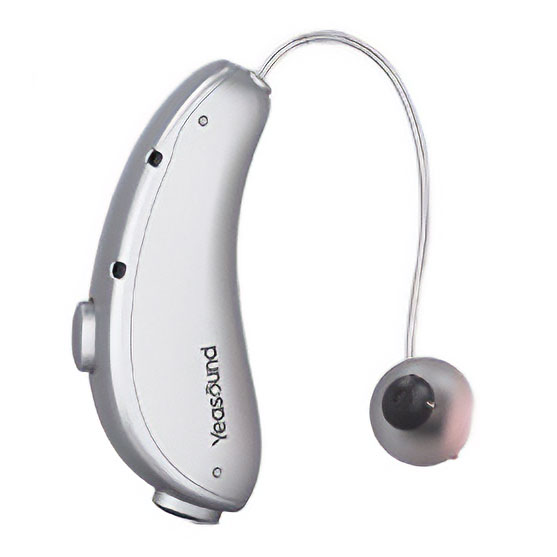
Das Yeasound RIC800 ist ein wiederaufladbares OTC-Hörgerät zum Preis von nur $699 pro Paar. Es streamt sowohl zu iPhone als auch zu Android und erzielte bei den vom unabhängigen HearAdvisor Lab getesteten OTC-Hörgeräten eine Platzierung in den Top 5%.


