Wir überprüfen jeden von uns empfohlenen Artikel unabhängig und schätzen Ihr Vertrauen und Ihre Unterstützung. Wenn Sie über unsere Links kaufen, erhalten wir möglicherweise eine Provision.Mehr erfahren.
Unser Expertenteam wählt Produkte sorgfältig aus und testet sie gründlich. Wenn Sie über unsere Links kaufen, erhalten wir möglicherweise eine Provision. So halten wir unsere Bewertungen unabhängig.
Warum uns vertrauen?
295+Stunden Audioaufnahmen
95Getestete Hörgerätemodelle
5Branchenführende Audiologen
13Jahre unabhängig geführt & betrieben
2026 Guide Includes: 4 models benchmarked in our lab.
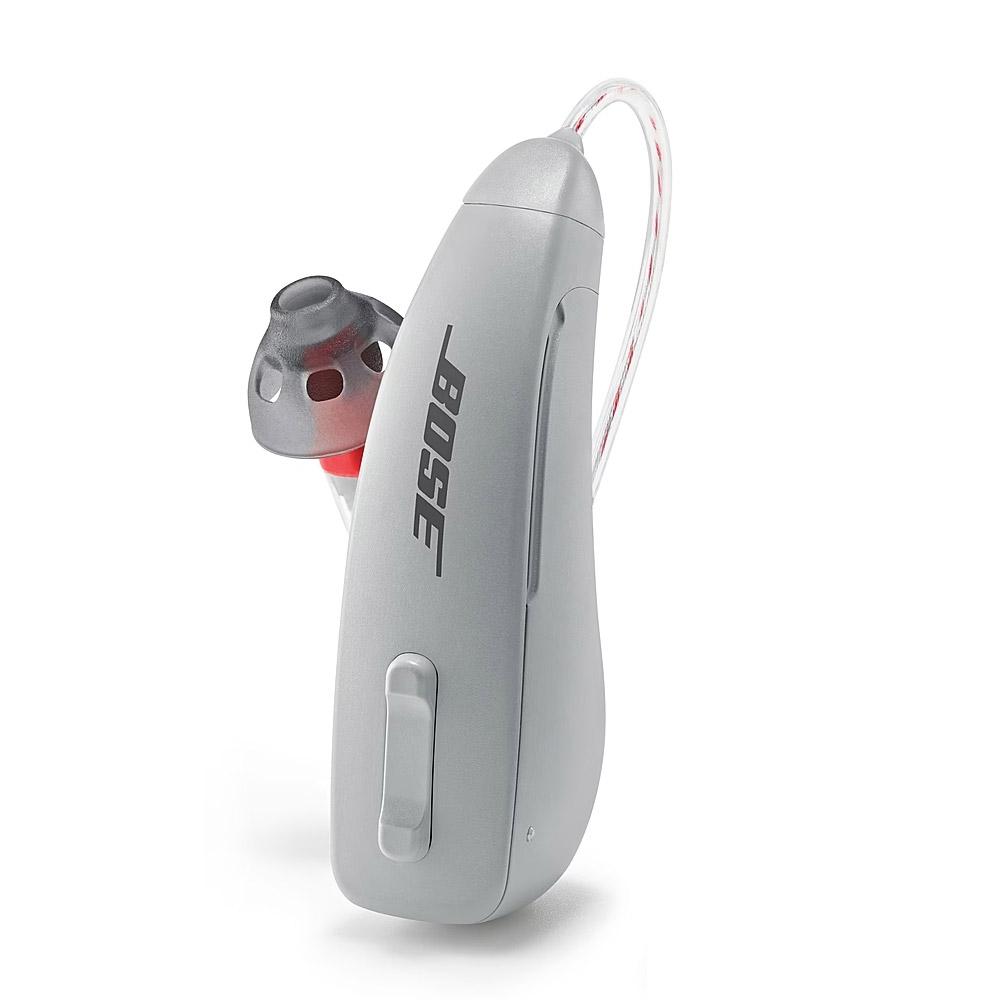
Die Lexie B2 Plus ist eine aufladbare Receiver-in-Canal-(RIC)-Hörhilfe ohne Rezept (OTC) für leichte bis mittelschwere Hörverluste. Sein In-App-Hörtest passt die Verstärkung an Ihr Profil an, und es streamt Anrufe auf iPhone und Android, mit bis zu 18 Stunden Akkulaufzeit plus zusätzliche 18 Stunden aus dem Ladeetui.
Warum wir es ausgewählt haben
Highest overall HearingTracker Score at Walmart
Top 5% SoundScore among all OTC devices tested
In-app hearing test for personalized amplification
Kompromiss: Music streaming is iPhone-only, and support is limited to phone and email, no live audiology access.
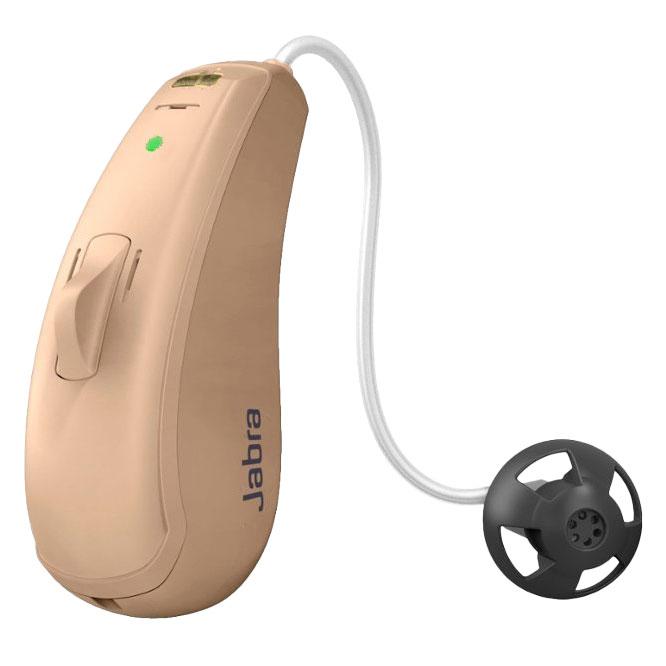
Das Jabra Enhance Select 50R ist ein aufladbares RIC-Högerät ohne Rezept. Es verfügt über voreingestellte Höranwendungen, streamt Audio zu iPhone und Android, hat eine IP68-Zertifizierung, liefert bis zu 30 Stunden Akkulaufzeit und beinhaltet virtuelle Betreuung von Jabras Team aus lizenzierten Audiologen.
Warum wir es ausgewählt haben
Remote care from licensed audiologists included
IP68 protection and best build quality on this list
Personalized programming via Jabra's audiology team
Kompromiss: At $1,195, it's the priciest pick here, and its SoundScore trails the Lexie and Lucid despite the higher price.
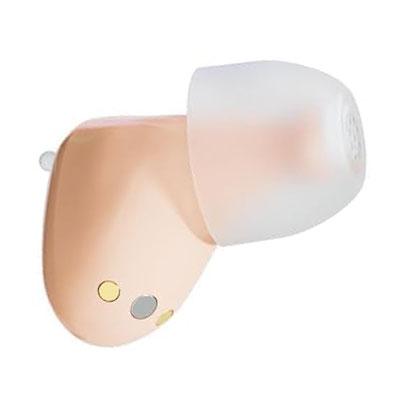
Das Audien Atom X ist eine wiederaufladbare In-Canal-OTC-Hörhilfe. Es wird über einen Touchscreen in seinem UV-Reinigungsladegehäuse gesteuert und benötigt keine App. Das Atom X bietet Bluetooth-Streaming zu iOS und Android, Rauschunterdrückung und vier voreingestellte Hörmodi.
Warum wir es ausgewählt haben
Touchscreen case replaces app; no smartphone needed
Hands-free calling on iPhone and Android
Lowest price of any Bluetooth-equipped pick on this list
Kompromiss: SoundScore falls below the OTC category average, particularly for speech in noise and quiet.
Prices and availability are subject to change. We independently review each item we recommend and appreciate your trust and support. When you buy through our links, we may earn a commission.
Have you ever wondered about the over-the-counter (OTC) hearing aids sold at big box retailers such as Walmart, Best Buy, and pharmacy chains? Do they offer similar benefits as the $5,000+ hearing aids provided by audiologists and other hearing care providers at private practices and clinics? Are any of them any good or worth the price?
To address these questions, we rigorously tested the top-selling OTC hearing aids at Walmart in a state-of-the-art acoustic lab and compared their overall performance and pricing. The results might just surprise you: There are indeed some commendable OTC hearing aid options at Walmart, but there are also some that might not meet your expectations—even for the lower price.
In this article, I'll give you an overview of Walmart's hearing aids, rank them in terms of features, performance, and value based on our lab test results, and also suggest some specific products in categories that consumers prize most.
Walmart is the largest retailer in the world with over 4,600 stores in the United States and more than 5,400 Walmart Internationals. Its online business is said to account for more than 13% of its total sales.
In August 2022, the US Food and Drug Administration (FDA) finalized its historic ruling outlining a nonprescription over-the-counter (OTC) hearing aid category. The ruling aims to offer you more options at lower costs by relaxing regulations surrounding the development and sales of hearing aids. Since then, new products have emerged weekly, claiming to offer a “prescription-like” quality for a fractional cost of traditional clinical hearing care. Many of these devices are available online and in-store at consumer electronics retailers such as BestBuy, Walgreens, and Walmart (the focus of this article).
While the FDA rolled-back many regulations, they have established guidelines for OTC products and their performance. For example, OTC hearing aids are intended for individuals over 18 with no worse than a mild-to-moderate perceived hearing loss and they have general output limits of 111 decibels (higher for devices utilizing input compression).
The FDA regulations have several direct consequences for consumers, including less consumer protection for trial periods, warranties, and return policies. There remains much debate about whether the current regulations are enough to protect consumers from unsafe, ineffective, and low-quality products that reach store shelves or that can be purchased online.
If you are among the over 30-million adults in the U.S. with untreated hearing loss, you may be asking “Do OTC products deliver comparable hearing benefit at lower-costs?” In my experience, after hands-on testing of over 60 modern products, the answer is a resounding no. The scientific testing I do through HearAdvisor has convinced me that while the current regulations are a good start, they are a far cry from appropriate quality assurance and consumer protection.
Some devices do offer excellent value, fulfilling the original goal of OTC products, while others can potentially worsen your ability to understand speech. Worse yet, all devices tend to share the same marketing claims to: 1) make speech clear and 2) help you in background noise. How can you dig through the advertisements and find a quality product? Without trying to sound too idealistic, that is why HearingTracker and HearAdvisor have teamed up to offer reviews such as this one.
Best Overall: Lexie B2 Plus Powered by Bose
Lexie B2 Plus Powered by Bose is a receiver-in-canal (RIC) hearing aid available for $999 a pair and offers rechargeability, Bluetooth streaming for iPhone and Android, a recharging case, and an in-app hearing test. In our lab, the Lexie B2 Plus achieved one of the best SoundScores for hearing aids sold at Walmart (4.6/5), only lagging behind Lucid Tala (4.64/5). It showed particularly strong speech amplification in quiet environments (4.4/5), but also scored above average in background noise (2.2/5).
Walmart also offers the Lexie Lumen, a hearing aid with similar functionality to the B2 Plus in a slightly older behind-the-ear (BTE) design. Other Lexie models currently available at Walmart include the B1, a battery-powered self-fitting RIC OTC hearing aid without Bluetooth, and the H1, a rechargeable earbud style OTC device that supports Bluetooth streaming for audio and calls.
Lexie Hearing is part of the hearX Group, a hearing healthcare company based in Pretoria, South Africa, co-founded in 2015 by respected audiologist and academic, De Wet Swanepoel, PhD, and entrepreneur Nic Klopper. hearX provides affordable hearing testing and amplification products “using smart digital health solutions that anyone can use, anywhere.” Along with its Lexie hearing aid line, hearX makes a clinically validated online hearing test (hearScreen), which is used by companies like Costco, CVS, Best Buy, and Lexie Hearing itself.
Unboxing the Lexie B2 Powered by Bose hearing aid. Lexie B2 Plus Powered by Bose has been updated from the previous B2 model (pictured) with an in-app hearing test and a new charging case.
Pros
Excellent speech intelligibility benefits
Good build quality
Modern prescription-like design
Cons
Best Telecare:Jabra Enhance 50R
Introduced in January 2024, Jabra Enhance Select 50R is a receiver-in-canal (RIC) OTC hearing aid that is essentially a rechargeable upgrade of Jabra's previously successful Enhance Select 50 model—hence, the "R" in 50R. Overall, you can expect good performance from this OTC hearing aid, especially with customization opportunities using the mobile app and Jabra’s remote telecare team.
Walmart continues to offer the Jabra Enhance Select 300. Even though it was released in 2023, it scored better in our lab than more recently released Jabra models, including the 50R. The Enhance Select 300 includes advanced speech clarity technology to automatically filter background noise, binaural directionality to produce more natural sound, and it comes with a portable charging case. Considering the 300's steeper price tag, however, the 50R does offer great value and includes the same prescription-level telecare as other Jabra models.
Jabra is a Danish consumer electronics company that shares technology with well-established hearing aid brands ReSound and Beltone. This comes following their acquisition by GN Store Nord in 2000. You can find several excellent hearing aids from Jabra, spanning a full range of styles, performance levels, and professional services. For example, Jabra also offers Enhance Pro 20, a prescription hearing aid dispensed by licensed professionals at Costco Hearing Aid Centers for $1,599/pair, making it an exceptional deal.
The Jabra Enhance Select 50R in my hand.
Pros
Personalized to your ears with the help of Jabra’s Care Team
All-day rechargeable batteries
Wireless accessories available
Based on prescription hearing aid technology from GN Resound
Cons
Best Discreet for Accessibility: Audien Hearing Atom X
The Audien Hearing Atom X is a discreet OTC hearing aid that features a touchscreen on its portable charging case. Via the touchscreen you can adjust the volume, switch between programs, and toggle Bluetooth connections. It completely replaces the app that's typically used to control Bluetooth hearing aids, making the Atom X more accessible, but also less customizable.
The Atom X's form factor is similar to the RxEars Rxi, featured below. While the Atom X's acoustic performance in our lab—reflected in its SoundScore—was considerably weaker than the Rxi's, both for speech-in-quiet and speech-in-noise, it did receive a better score overall for supporting hands-free calling and audio streaming to iOS and Android. You can see a full breakdown of our scoring in the ranking table below.
Audien Hearing is an independent, Scottsdale-based OTC hearing aid company founded in 2017 by Ishan Patel, Dylan Garber, and Zack Hubbard. Known for budget-focused devices, Audien was the first OTC hearing aid brand to launch nationwide at Walmart.
Pros
Touchscreen charging case replaces app-based controls
Bluetooth streaming and hands-free calling to iOS and Android
Transparency control while streaming for improved safety
Up to 12 hours of battery life
Best Discreet: RxEars Rxi
RxEars Rxi is a less conspicuous in-the-ear (ITE) hearing aid available for $498 per pair. It is powered by disposable size 10 batteries and may offer a simpler setup than other devices on our list, as it is not Bluetooth-compatible. What the Rxi lacks in modern wireless features, it makes up for with its amplification—which is shockingly accurate for a preset-based OTC hearing aid.
Persona Medical's RxEars Rxi hearing aids unboxing.
After a few adjustments with the multi-function button, I landed on a setting that offered better gain than the default settings on some $4,000 prescription hearing aids. This was an interesting finding highlighting: 1) that some OTC devices are capable of offering appropriate gain for a mild to moderate sloping hearing loss and 2) that hearing care providers should routinely be performing real-ear measurements—if you have a provider, hold them accountable.
RxEars is part of Persona Medical, a hearing aid company that has been manufacturing products since 1966, with its origins in Magnatone. Persona currently offers 4 hearing aid styles, including the Rxi, which are available on their website for less than $500 per pair (prices may be lower during occasional sales).
Respectable amplification for a preset-based hearing aid
Discrete in-ear fit
Relatively low-cost OTC hearing aid
Cons
Ranking of All Walmart Devices Tested
We tested over a dozen OTC hearing aids currently available on Walmart.com. This review combines our hands-on experience with objective audio performance data from HearAdvisor, an independent hearing aid test lab based in Rockford, Illinois, offering you a comprehensive comparison of hearing devices.
In the table below, you'll find a list of all the devices we tested and how they compared to one another ranked by our Value score. While I explain all the scores in greater detail below, you should know that the SoundScore is an overall rating of acoustic performance based on five different sound-quality metrics under two different conditions. What does that mean? You can think of the SoundScore as how well the hearing aid performs acoustically, regardless of its cost. In contrast, the Value score considers what consumers generally think of as the device's most important features in relation to its price.
If you have a flexible budget, we recommend paying more attention to the SoundScore or even considering a more expensive professionally dispensed prescription hearing aid. However, if you’re on a tighter budget, the Value score should be your focus. All measures are ranked on a 5-point scale for your convenience.
Product
Price
Overall
Value
SoundScore
Build Quality
Battery
Bluetooth
App Features
How did we rank the best-selling OTC hearing aids at Walmart?
For over a decade, HearingTracker has been reviewing hearing aids, hearables, personal sound amplification products (PSAPs), and more. Our team includes a range of experts with diverse backgrounds and experiences, lending a wealth of knowledge to every review. More recently, HearingTracker has teamed up with HearAdvisor, an independent test lab that objectively assesses hearing aid audio quality by leveraging the latest science. Together, we are able to offer you the best of both worlds with objective science-backed data and expert hands-on knowledge.
Hearing aids were rated based on the following 10 attributes:
SoundScore: The SoundScore is the result of objective hearing aid audio performance measured in the HearAdvisor lab. It represents a weighted average of five sound quality metrics in two fitting approaches (self-fitting and best-possible professionally tuned) for performance in quiet and noise, feedback (whistling), music streaming, and the perception of one's own voice. It is meant to represent the estimated audio performance of a hearing aid if you have a mild-to-moderate sloping hearing loss typical of the people who would be candidates of an OTC hearing aid. Devices with higher SoundScores indicate better performance.
Pro Support: This attribute corresponds to the amount of professional assistance a device offers. Many OTC devices rely on email or phone-based tech support, while others allow more prescription-like programming with remote assistance from hearing care providers. Devices offering better support options, with provider assistance, score higher.
Comfort: This is our subjective rating of a device’s comfort when being worn. Factors such as size, shape, and fit are considered during general use and dynamic facial movements (e.g., chewing). Higher scores indicate the device was more comfortable for me to wear.
Battery: This category considers a device’s battery and power options. Higher scores are associated with longer reported battery life, shorter recharge times, and on-the-go charging options (e.g., cases offering additional battery life with an internal power bank).
Build Quality: Build quality is based on a product’s observed durability and IP rating, if available. Higher scores for this attribute are associated with better protection against dirt/debris and moisture, as well as perceived quality.
: Many hearing aids offer audio streaming, though the quality can vary depending on your mobile phone. Higher Bluetooth Streaming scores indicate devices that offer wireless audio across iOS and Android platforms, as well as hands-free calling.
We understand that no rating method will apply to everyone, as people's needs differ (e.g., ear anatomy, preferences, hearing loss, etc.). Similarly, some people will prioritize features like rechargeability, Bluetooth streaming, and online support, while others will not. However, we used our best judgment based on expert knowledge and clinical experience to rank hearing aids as accurately as possible.
Bad Experiences: Be Cautious With the Following Devices...
In my experience, most OTC products are not built or tested with the same rigor as prescription hearing aids. This makes sense as new OTC companies do not have the same resources as major manufacturers. So, while some troubleshooting is normal—especially given the lack of professional assistance—I did run into devices that were particularly problematic. Here is the one product line Walmart kept in its lineup since we first published our review, and the troubles I experienced with it.
Poor Speech Performance: RCA In-Ear and Micro
I tested two OTC hearing aid products from RCA and was initially impressed with their build quality and modernized look. However, both the RSH062 Micro behind-the-ear (above) and RSH30 In-Ear (below) devices scored poorly in HearAdvisor’s speech performance metric.
RCA's RSH062 Micro BTE hearing aid did not perform well in speech performance.
The objective test behind this score comes from a scientific metric that models the injured hearing system and predicts speech benefits. To put it in simpler terms, higher scores suggest clearer speech. Unfortunately, both devices scored negative numbers, which suggests they may actually diminish speech clarity, making it harder for you to hear. This is shocking but can be explained in part by the gain/amplification they offer. HearAdvisor includes graphs of this where you can see RCA RSH062 actually reducing high speech sounds—almost like an earplug.
Similar to its sister product above, testing of the RCA RSH30 In-Ear hearing aid indicated it may actually worsen speech understanding when wearing it.
No, you can no longer get a hearing test at Walmart. The company discontinued its hearing care services when it shut down all Walmart Health centers in 2024. While Walmart still operates Vision Centers and Pharmacies, hearing tests are no longer available.
No, Walmart does not carry Miracle-Ear hearing aids. Miracle-Ear operates its own network of specialized hearing centers and does not distribute its products through third-party retailers like Walmart.
What hearing aids are sold at retailers like Walmart?
Walmart is one of the most recognizable big-box retailers that cater to healthcare needs, and it is little surprise that it offers hearing devices—although you now will find them online or on store shelves because Walmart Health Centers no longer provide hearing services. As of October 2022, you can find OTC hearing aids online and in-store for around $100 to slightly over $1,000 per pair. The average price across the devices we tested for our review at Walmart was $574. For comparison, a recent reader survey at HearingTracker showed an average price of $4,672 per pair of prescription hearing aids.
Here is a Walmart display showing some of the OTC products offered, including (l to r) the Audien Atom Pro 2, Go Hearing Go Prime, HP Hearing Pro, iHear MatriX, Lexie B2 Powered by Bose, and Jabra Enhance Plus. You may find a similar display at your local store near the other medical health products.
Although Walmart reports having over 4,600 stores in the United States and 5,400 Walmart Internationals, the mass retailer is not known as a large hearing aid distributor. However, its wholesale membership sister company, Sam’s Club, does offer professionally dispensed prescription and OTC models in its approximately 450 Hearing Aid Centers, now supported by NationsBenefits, who are replacing Lucid Hearing.
Walmart’s products come in a range of styles, technology levels, and wireless capabilities. For example, HP Hearing Pro are in-the-ear devices resembling advanced earbuds, while Jabra Enhance Select 50R hearing aids are more similar to traditional receiver-in-canal (RIC) hearing aids. While this variety gives you more options, it can also add confusion if you are not familiar with the differences and their implications for your hearing.
What’s more, I did not find a way to filter attributes (e.g., audio streaming or rechargeable batteries), meaning you may find it exhausting to dig through the 20+ hearing aid brands and nearly 60 devices currently available on the Walmart website. I imagine the experience is similar at other mass retailers. If you are less familiar with hearing aids and their differences, here are some key points to consider when shopping:
Comfort: The best hearing aid has little value if it is painful to wear. You will still have to purchase a device to assess comfort, as retailers do not let you try them in-store (likely for reasons of hygiene and health). However, you do have a trial period, generally lasting 30 to 45 days, to assess comfort at your own pace. Everyone’s ears are different, so expect your experiences to vary based on the size and shape of your ears.
Support: Traditional hearing care relies on the knowledge of hearing care professionals. Due to the need to compete at low prices, this is one area lacking in most OTC products. It is worth considering your individual needs, tech savviness, and determination to “tinker” before making a purchase. If you prefer a higher level of guidance, OTC companies like Jabra, Lexie, Audicus, and Eargo offer remote professional care with some of their devices.
Battery: Rechargeable batteries have advanced considerably over the past 5 years and are now common even among OTC hearing aids. However, battery life and recharge time can vary considerably between companies, and some still rely on disposable batteries. It’s important to consider your "typical day” and your expected duration of use before purchasing.
At Walmart, we procure items directly from the manufacturer, and once we receive them, we ensure that every product meets the highest quality standards to prevent any incidents for our customers when they make a purchase.”
They went on to discuss their hearing aid return policy, which allows you to try out their devices risk-free.
In reality, retailers like Walmart likely perform minimal vetting and rely on information from the brands they purchase from. What’s more, some of those hearing aid brands use white-label or rebranded products from overseas manufacturers. This amounts to another level of opaqueness concerning a device's audio performance and overall quality. If you would like to explore this, there are FDA databases listing device registrations and listings. HearingTracker has also published a full list of FDA-registered OTC hearing aids, complete with a summary of relevant product codes.
Other stores, like BestBuy, Target, and chain pharmacies, have also jumped on the OTC hearing aid bandwagon. While this article focuses on Walmart, it can serve as a proxy for these other retailers, as many of the devices we tested are available elsewhere online or on store shelves.
The HearAdvisor lab's KEMAR maniken testing the Lucid Engage hearing aid.
Should you consider an OTC hearing aid from Walmart?
You will be happy to learn that quality OTC hearing aids are available at retailers like Walmart. Many offer great value, and some perform on par with prescription hearing aids when programmed to treat mild-to-moderate sloping hearing loss (i.e., less-complex hearing losses typical of people starting to have hearing problems, particularly in noise).
However, there does not appear to be much product vetting on the part of either manufacturers or retailers. This means there is virtually no consumer protection, and we therefore recommend you exercise caution when shopping in the OTC category. Manufacturers will regularly advertise all products as 1) improving speech clarity and 2) helping with background noise. This is because they know these are the most common complaints of individuals with hearing loss.
Diesen Beitrag teilen
Brands and Retailers
Warum uns vertrauen?
295+Stunden Audioaufnahmen
95Getestete Hörgerätemodelle
5Branchenführende Audiologen
13Jahre unabhängig geführt & betrieben
2026 Guide Includes: 4 models benchmarked in our lab.
App-freie In-Canal-Hörhilfe mit Touchscreen-Etui, BT-Streaming und freihändiges Telefonieren.
Expertenbewertung
3.3/5
$389 pro Paar
Mild to moderate hearing loss only
OTC hearing aids, including all models sold at Walmart, are not suitable for those with severe or profound hearing loss, or anyone who needs in-person fitting and clinical follow-up.
1
Lab scores don't always match price: Walmart's selection spans from under $100 to nearly $1,700, but price doesn't reliably predict performance. For example, the $90 Linner Saturn scored a higher value rating than the $2,699 Eargo 8, which ranked near the bottom overall. Independent lab data is the only reliable way to separate marketing claims from results.
2
Support level is as important as the device: The best-ranked picks include telecare access (Jabra) or app-based audiologist support (Lexie), not just advanced hardware. A bare OTC device with no fitting help is a different purchase than one backed by remote audiology, even if the specs look similar.
3
Walmart doesn't vet what it sells: The retailer relies on manufacturers for quality assurance and performs minimal independent testing. Some brands on its shelves use white-labeled products from overseas manufacturers, and at least two devices in our testing—the RCA RSH062 and RSH30—scored negative numbers for speech clarity, meaning they may actually make hearing worse.
Lab tested
Our in-house audiologist tested each device in our custom-built acoustic lab with calibrated speakers, producing an objective SoundScore across speech in quiet, speech in noise, and music streaming.
Real-world tested
An audiologist on our team wore every device for at least a week in real environments. They rated build quality, battery life, Bluetooth, app features, comfort, handling, and design on a 1–5 scale.
Expert Validation
We ranked devices by their HearingTracker Score and chose top picks across key categories, including best value and best telecare. Only models that completed standardized lab and hands-on testing are included.
Relatively expensive for an OTC hearing aid at $999/pair
No audio streaming with Android mobile devices
Although Lexie offers 24/7 online support, there are some reports of it being slow
Relatively expensive for an OTC device at $995 to $1195/pair
No hands-free calling
Virtual-only hearing care (no in-person available)
UV cleaning built into the charging case
Cons
Sub-par speech clarity in quiet and noise
No app- or hearing-test based fine-tuning
Volume for the left and right earbud must be set separately, though this could be an advantage for those with asymmetric hearing loss
Unknown IP rating
No audio streaming or phone app
Not rechargeable (uses size 10 batteries)
Small battery door and buttons may be difficult for some
Pro Support
Comfort
Design
Handling
Jabra Enhance Select 300
$1,121
4.3
3.9
4.3
4.9
4.6
5
4.5
3
5
4.8
4.5
Lexie B2
$999
4.2
4.1
4.6
4.6
4
3
4
2
5
5
5
Jabra 50R
$1,195
4.1
3.9
3.8
5
3.9
4
4.5
3
5
4.5
4.5
Lucid Engage
$549
3.9
3.8
4.5
3.5
3.4
4
3.5
2
4.5
4
4.5
Lucid Tala
$1,300
3.9
3.7
4.6
3.5
3.1
5
3.8
2
4
3.9
5
BlaidsX Neuro
$799
3.4
3.2
3
4.3
4.6
2
4
2
4
4
4.5
Lexie Lumen
$799
3.3
3
3.7
4.3
4.3
–
3.8
1
3.5
4
4
Audien Atom X
$389
3.3
3.9
3
4.1
3.1
4.5
–
1
3.5
3.5
4.5
Linner Saturn
$90 ($50 on sale)
3.2
4.5
3.4
3.2
4
–
–
1
3.7
3.2
3.7
RxEars Rx8
$499
3.2
3.1
4
3.6
4.3
–
2.8
1
3.5
4
4.2
Lucid Enrich Pro
$200
3.2
4.2
3.7
3.3
4.3
–
–
1
3.5
3.5
3.5
Blaids BlaidsX Pro
$549
3
2.9
3.3
3.5
4.3
–
3.8
1
3.5
4
4
Go Hearing Go Prime
$299
3
3.8
3.1
4.2
4
–
–
1
3.5
4
4
Linner Mercury
$300
3
3.7
2.8
3.7
3.8
–
–
1
4.5
3.9
3.8
RxEars Rxi
$499
2.8
2.7
3.7
3.3
4.3
–
–
1
3.5
3.5
3.5
GoHearing Ultra
$499
2.8
2.6
2.1
3.7
4
5
–
1
3
3.5
4
Audien Hearing Atom Pro 2
$289
3.8
3.6
2.5
3.9
4.2
–
–
1
3
3.5
3.8
Eargo 8
$2,699
2.6
2
2.9
4.3
3.3
–
3.5
1
3.5
5
3
EarCentric EX2
$218
2.3
2.3
2
3.9
3.2
–
–
1
3.5
3.5
4.2
Audien Atom Pro 2
$289
2.2
2.2
1.9
3.9
4.2
–
–
1
3
3.5
3.8
Comparison of the 24 Best-Selling OTC hearing aids available at Walmart across our 10 attributes of evaluation (all ratings based on a 5-point scale with 5 being the best). Prices vary by distributor and some companies offer holiday specials, as well as add-on services, loss & damage, cleaning, and subscription packages. This ranking, and the individual category scores, represent our best judgment as field-experts. However, they may not accurately capture your individual needs or preferences.
Bluetooth
App Features: Similar to Bluetooth Streaming, many hearing aids can be controlled wirelessly with phone apps. This attribute corresponds to the included app features and level of personalization (e.g., gain, hearing tests, multi-band frequency adjustments, etc.). Higher scores indicate the app is user-friendly and provides you with more control.
Handling: Handling is a subjective measure of a device's user-friendliness. Smaller manual controls and battery doors can be difficult to manage, especially for those with low vision or dexterity issues. Higher scores suggest I found the device more straightforward and easy to use.
Design: Design is a subjective appraisal of a device's physical appearance when worn. Although this is highly subjective, larger devices with antiquated designs are generally less desirable. Higher scores in our Design category point to hearing aids that are smaller, less visible, and/or modern in appearance.
Value: This refers to a device's overall cost-benefit or "bang for the buck.” A higher Value score is associated with devices that score well across the above nine attributes while having a lower price.
Build Quality: Build quality is generally of minor concern with prescription devices, as most have an Ingress Protection (IP) rating of 68, which is the highest possible rating against moisture and dirt/debris for hearing aids. However, I find the quality to vary considerably between OTC devices. Even good-sounding products can be made with cheap materials and designs, making them more susceptible to damage and a short service life.
Bluetooth: Many OTC hearing aids offer wireless app controls, Bluetooth streaming, and hands-free calling. Even if you are not the most tech-savvy, it is worth finding a device that is compatible with your smartphone and offers a mobile app, as this should improve the hearing benefit you experience.
Fitting Apps: The ability to fine-tune the hearing aid for your unique hearing loss can greatly improve your chances of benefiting from the device. For example, BlaidsX Neuro allows you to directly input your audiogram (hearing thresholds) in their mobile app so the device can provide gain/amplification based on your own needs.
Handling: Handling corresponds to general ease of use and will depend on many factors, such as your previous experience with hearing aids, mobility, dexterity, and vision. Hearing aids and their parts tend to be small (e.g., disposable batteries), which can be challenging, especially if this is your first time trying hearing aids. If you have concerns, devices offering rechargeable batteries and mobile apps can help.
Style/Design: Style preferences are individualized and there are, fortunately, options ranging from nearly invisible-in-ear (IIC) to behind-the-ear (BTE) designs. You should have no problem finding a style you like.
Does Walmart vet or screen their hearing aid products for quality?
Hearing aids have traditionally been fit through clinics where hearing care professionals are responsible for vetting product quality and effectiveness. Now that we are in the OTC era, retailers such as Walmart arguably take on that responsibility. I reached out to Walmart’s Customer Relations team asking about any product testing for consumer protection and here is their response:
Steve Taddei, Au.D., vereint seinen Abschluss in Audiotechnik vom Columbia College Chicago mit seinem Doktorat in Audiologie der Northern Illinois University, um Hörtechnologien voranzutreiben und das Bewusstsein für Hörverlust als Laborleiter bei HearAdvisor zu schärfen. Er trägt auch zu verbraucherfokussierten Bewertungen von Hörgeräten und Ohrstöpseln auf HearingTracker.com bei und inspiriert zukünftige Fachleute durch seine Positionen als Lehrbeauftragter an mehreren Hochschulen, um die nächste Generation zu ermutigen, ihre Leidenschaften zu entdecken und zu verfolgen.
Dr. Bailey ist ein führender Experte für Verbrauchertechnologie in der Audiologie-Branche. Er ist ein überzeugter Befürworter der patientenzentrierten Hörkommunikation und audiologischen Best Practices und begrüßt jede technologische Innovation, die den Zugang zu qualitativ hochwertigen Hörergebnissen verbessert. Dr. Bailey hält einen Au.D. vom Vanderbilt University Medical Center.
Das Jabra Enhance Select 50R ist ein aufladbares RIC-Högerät ohne Rezept. Es verfügt über voreingestellte Höranwendungen, streamt Audio zu iPhone und Android, hat eine IP68-Zertifizierung, liefert bis zu 30 Stunden Akkulaufzeit und beinhaltet virtuelle Betreuung von Jabras Team aus lizenzierten Audiologen.
Das Audien Atom X ist eine wiederaufladbare In-Canal-OTC-Hörhilfe. Es wird über einen Touchscreen in seinem UV-Reinigungsladegehäuse gesteuert und benötigt keine App. Das Atom X bietet Bluetooth-Streaming zu iOS und Android, Rauschunterdrückung und vier voreingestellte Hörmodi.
Die Lexie B2 Plus ist eine aufladbare Receiver-in-Canal-(RIC)-Hörhilfe ohne Rezept (OTC) für leichte bis mittelschwere Hörverluste. Sein In-App-Hörtest passt die Verstärkung an Ihr Profil an, und es streamt Anrufe auf iPhone und Android, mit bis zu 18 Stunden Akkulaufzeit plus zusätzliche 18 Stunden aus dem Ladeetui.
)
)
)
)
)
)
:format(webp))
:format(webp))
:format(webp))


:format(webp))


:format(webp))
:format(webp))
:format(webp))


:format(webp))