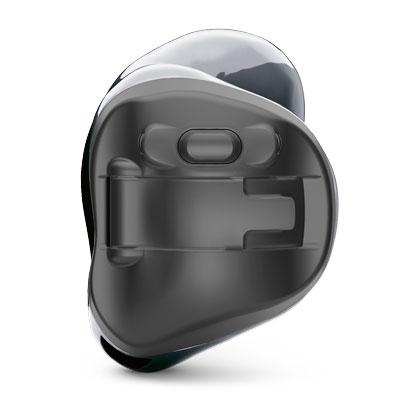
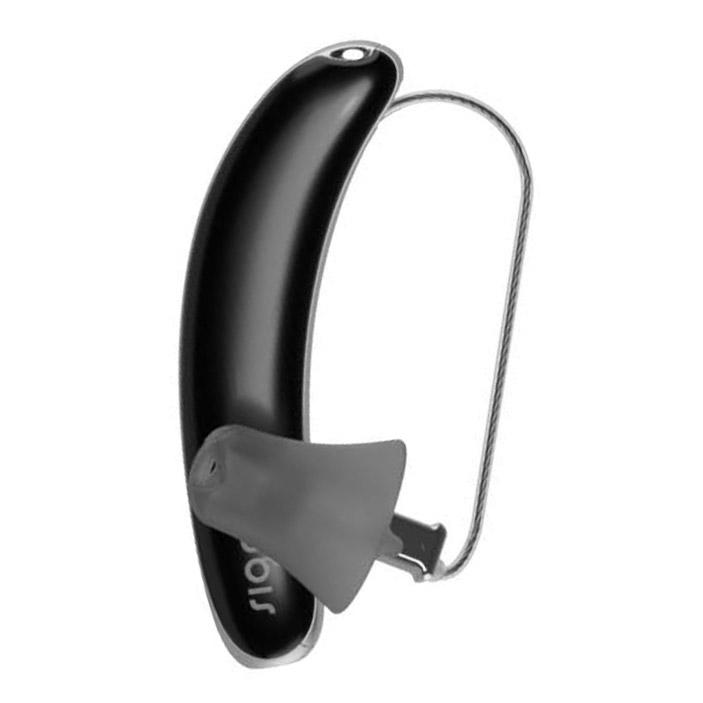
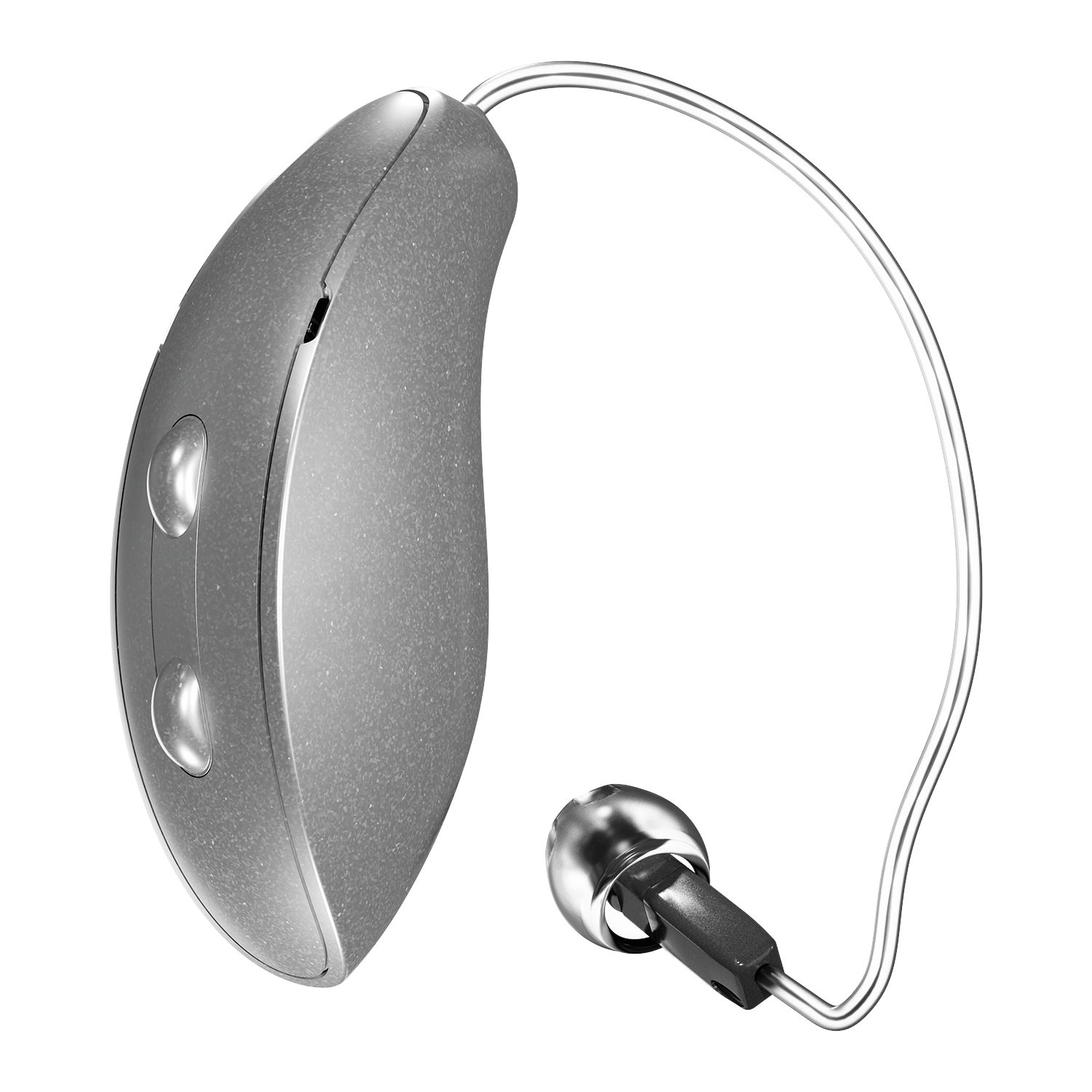
“There is abundant evidence indicating hearing loss is linked to several dimensions of quality of life, including physical activity, social engagement, and participation in daily activities that matter the most to the wearer,” explains Brian Taylor, senior director of audiology for global hearing aid manufacturer Signia. “By having a mechanism on the hearing aids that allows both the wearer and the hearing care professional to monitor these quality-of-life dimensions, it broadens the utility of hearing aids. With activity tracking, for example, the hearing care professional can demonstrate to the wearer how better hearing improves various elements of quality of life.
“Tracking technology has the potential to improve all these quality-of-life outcomes,” continues Taylor. “After all, when you measure something, you tend to focus on it a little more, and almost by definition improve it.”
Is the ear the new wrist?
Wearable fitness monitors and activity trackers such as smartwatches (e.g., Apple Watch and Fitbit) and pocket-worn or app-based fitness trackers are now common accessories in our digital society. These devices already monitor heart rate, sleep quality, and count our steps.
So, why include fitness and health tracking in hearing aids? Well, it turns out, the ear is one of the most accurate places to measure the body’s activity and vital signs. Beyond that, the apps and related features can generate some exceptional health-related information. Here are some of them:
Accessible health data
The ear provides access to important health data, allowing for the measurement of various vital signs. According to Starkey Hearing Chief Innovation Officer David Fabry, PhD, “The ear is an excellent location for measuring and monitoring biometric information, including body temperature, heart rate, respiration rate, and other biological measurements that assist with linking hearing loss with other comorbid health conditions.”
Physical activity tracking
The ear is a good location for physical activity tracking, as Michael Blackburn, AuD, senior strategic software manager at Phonak US, points out: “The ear enables tracking of various physical activities, including sedentary behavior, light activity, walking, and running. This capability contributes to a more comprehensive understanding of an individual’s activity levels and overall well-being.”
More accurate movement tracking
For certain measurements, the ear is more accurate than the wrist. Taylor explains, “There are several daily tasks when you might be moving your arms, and you are not walking. For example, this might include loading a dishwasher or even eating/drinking. Wrist-worn devices tend to miscount these types of activities as steps.” Phone-based applications, on the other hand, tend to underestimate actual physical activity because people may not carry their phones 100% of the time throughout the day. Most people who like to use the step counters on their smartphones know the disappointment of not "getting credit" for their activities when they forget to have the phone accompany them on their trip to the gym, a walk or run, or the golf course.
Optimal blood supply and body temperature
Blackburn states, “The ear’s proximity to the internal carotid artery and jugular vein ensures good perfusion, even in colder temperatures. This ensures consistent and reliable blood flow, which is crucial for accurate measurement of vital signs.”
Although no hearing aid currently monitors body temperature, we think you can expect one in the next couple of years. Ear thermometers are widely used by consumers, and because the ear canal is more shielded from the elements, it’s an ideal place for measuring body temperature.
)
:format(webp))
:format(webp))
:format(webp))
:format(webp))
:format(webp))


:format(webp))


:format(webp))




:format(webp))