Wir überprüfen jeden von uns empfohlenen Artikel unabhängig und schätzen Ihr Vertrauen und Ihre Unterstützung. Wenn Sie über unsere Links kaufen, erhalten wir möglicherweise eine Provision.Mehr erfahren.
Shop
Top-AuswahlTop 10 ansehen
Unabhängig. Unvoreingenommen.
Produktbewertungen.
Hörhilfen
  • Erste Schritte
  • Beste Hörhilfen
  • Hörhilfen vergleichen
  • Preise für Hörhilfen
  • Freiverkäufliche Hörhilfen
  • Kaufanleitung
  • Nachrichten zu Hörhilfen
  • Hörgeräte-Forum
Top-Marken
  • Phonak
  • Oticon
  • Starkey
  • Signia
  • ReSound
  • Widex
Ressourcen
  • Hörverlust
  • Tinnitus
  • Ohrenschmalz
  • Ohrstöpsel
  • Hörvermögen testen
  • Facebook-Gruppe
  • Zubehör-Shop
Über uns
  • Über das Team
  • Wie wir bewerten
  • Mitwirkende
  • Kontaktieren Sie uns
Abonnieren Sie für die neuesten Nachrichten und Bewertungen von uns
Unabhängige Hörgeräte-Bewertungen & Ratings
Aktuelle Branchennachrichten & Experteneinblicke
Kostenlos. Kein Spam. Jederzeit abbestellbar.
Mit dem Abonnieren stimmen Sie unserer Datenschutzrichtlinie zu.
  • Allgemeine Geschäftsbedingungen
  • Datenschutzrichtlinie
© 2026 HearingTracker. Alle Rechte vorbehalten.English
Redaktionell
  1. Startseite
  2. Hörhilfen
  3. Die besten Hörhilfen in Hinte ...

The Best Hearing Aids in Background Noise in 2026

Not every hearing aid does well in noise. Our lab tests identified the best prescription, OTC, and earbud style hearing aids for hearing in background noise.
Author & Hands-on Review
Audiology Review + Fact Check
Independent Testing
HearAdvisor Lab
Aktualisiert am Jun 12, 2026·Wie wir testen

Unser Expertenteam wählt Produkte sorgfältig aus und testet sie gründlich. Wenn Sie über unsere Links kaufen, erhalten wir möglicherweise eine Provision. So halten wir unsere Bewertungen unabhängig.

Warum uns vertrauen?
295+Stunden Audioaufnahmen
95Getestete Hörgerätemodelle
5Branchenführende Audiologen
13Jahre unabhängig geführt & betrieben

2026 Guide Includes:
6 models benchmarked in our lab.

So testen wir

Unsere Empfehlungen

Top-AuswahlBest Overall Hearing Aid in Background Noise
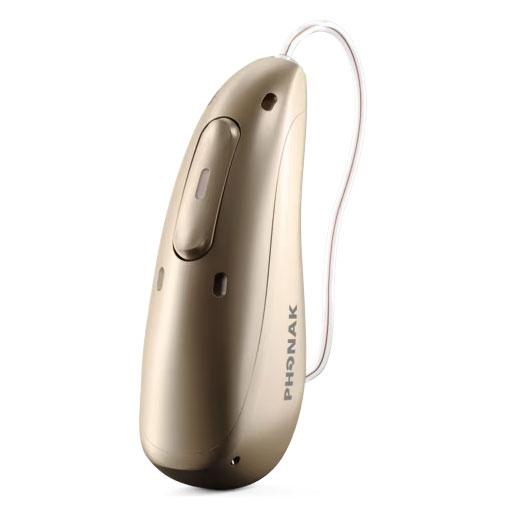
Phonak Audéo Infinio Ultra
Ab $3,998 pro Paar|Vollständigen Test lesen
Phonak Audéo Infinio Ultra
4.4/5

Das Infinio Ultra Sphere ist HearAdvisors am höchsten bewertetes Verschreibungs-Hörgerät in Hintergrundgeräuschen. Sein DEEPSONIC AI-Chip liefert SNR-Gewinne, die bisher nur mit einem Remote-Mikrofon erreichbar waren, wie durch unabhängige Labortests bestätigt.

Warum wir es ausgewählt haben
  • #1 prescription hearing aid in background noise
  • DEEPSONIC chip with Spheric Speech Clarity 2.0
  • Universal Bluetooth + IP68 durability
Kompromiss: High-performance Sphere mode cuts battery life to ~10 to 11 hours, and the larger-than-average form factor may not suit users with limited space behind the ear.
Details ansehen
Best OTC Hearing Aid in Background Noise
Elehear Beyond
Ab $449 pro Paar|Vollständigen Test lesen
Elehear Beyond
4.4/5

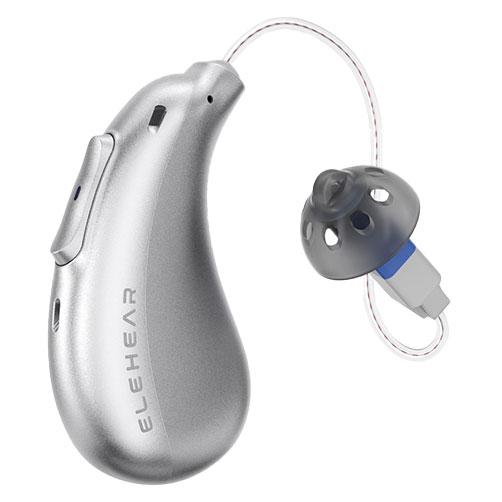
Das Beyond Pro schneidet in HearAdvisors Sprachverständlichkeitstests bei Hintergrundlärm besser ab als alle bisher getesteten Verschreibungshörgeräte. Mit einem Preis von oft unter 600 $, macht dies es zur stärksten OTC-Wahl für laute Umgebungen.

Warum wir es ausgewählt haben
  • Top 2% of all OTC devices in HearAdvisor testing
  • RIC design with 24-hour battery life
  • iOS and Android streaming at an accessible price
Kompromiss: Even though Elehear accepts audiograms via email, remote fine-tuning lacks the precision of in-clinic real-ear verification.
Details ansehen
Best Discreet Hearing Aid in Background Noise
Oticon Zeal
Ab $4,598 pro Paar|Vollständigen Test lesen
Oticon Zeal
4.3/5

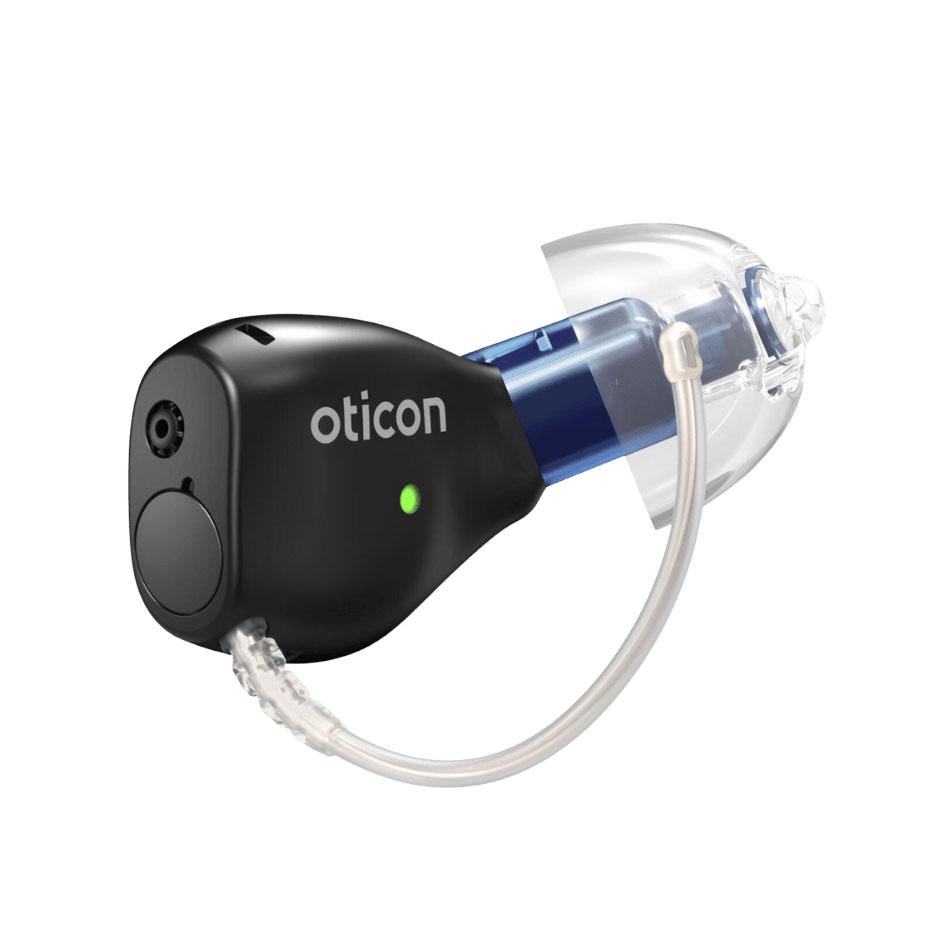
Das Oticon Zeal ist ein nahezu unsichtbares, sofort anpassbares verschreibungspflichtiges Hörgerät, das mit demselben Sirius-Chip und der DNN 2.0 AI des Flaggschiffs Intent angetrieben wird. Wiederaufladbar mit 20-Stunden-Akkulaufzeit, IP68-bewertet und streamt via Bluetooth LE Audio auf iPhone und Android.

Warum wir es ausgewählt haben
  • Nearly invisible instant-fit with no ear impression required
  • Flagship Sirius chip + DNN 2.0 AI, same platform as Oticon Intent
  • Bluetooth LE Audio + Auracast; rechargeable with 20-hour battery life
Kompromiss: The CIC-style form factor limits high-frequency gain and is harder to handle for those with dexterity challenges. Suited to mild-to-moderate loss only.
Details ansehen

Compare the Best Hearing Aids for Background Noise in 2026

Produkt
Top-Auswahl
Phonak Audéo Infinio Ultra

Phonak Audéo Infinio Ultra

Seite besuchen
Elehear Beyond

Elehear Beyond

Seite besuchen
Oticon Zeal

Oticon Zeal

Seite besuchen
Cearvol Wave

Cearvol Wave

Seite besuchen
Oticon Intent

Oticon Intent

Seite besuchen
Apple AirPods Pro 3

Apple AirPods Pro 3

Seite besuchen
Unsere Bewertung4.4/54.4/54.3/54.4/54.4/54.1/5
UrteilBest Overall Hearing Aid in Background NoiseBest OTC Hearing Aid in Background NoiseBest Discreet Hearing Aid in Background NoiseBest Earbud in Background NoiseBest Prescription Runner-UpBest Earbud Runner-Up
Preis

Prices and availability are subject to change. We independently review each item we recommend and appreciate your trust and support. When you buy through our links, we may earn a commission.

To help find the best hearing aids in background noise, we put the latest hearing aids through rigorous, independent testing in the HearAdvisor lab, measuring real-world speech clarity across a range of noisy environments. From premium prescription models to affordable over-the-counter (OTC) options, here are our top picks for the best hearing aids in background noise.

The Phonak Audéo Infinio Ultra Sphere is an advanced hearing aid featuring Bluetooth LE Audio, AI-based denoising, and the DEEPSONIC™ neural network processing chip for enhanced speech clarity in noisy environments. These rechargeable devices offer robust connectivity, durability, and customizable comfort, setting a new standard in hearing aid technology.

According to a perceptual clinical study conducted at the Phonak Audiological Research Center (PARC), real users experienced double the likelihood of understanding speech in noisy environments when using Sphere's AI denoising technology. Additionally, speech understanding improved by up to 36.8% compared to two leading competitor devices.

Phonak Sphere Ultra Hearing Aids: Testing Results from Our Audiologist
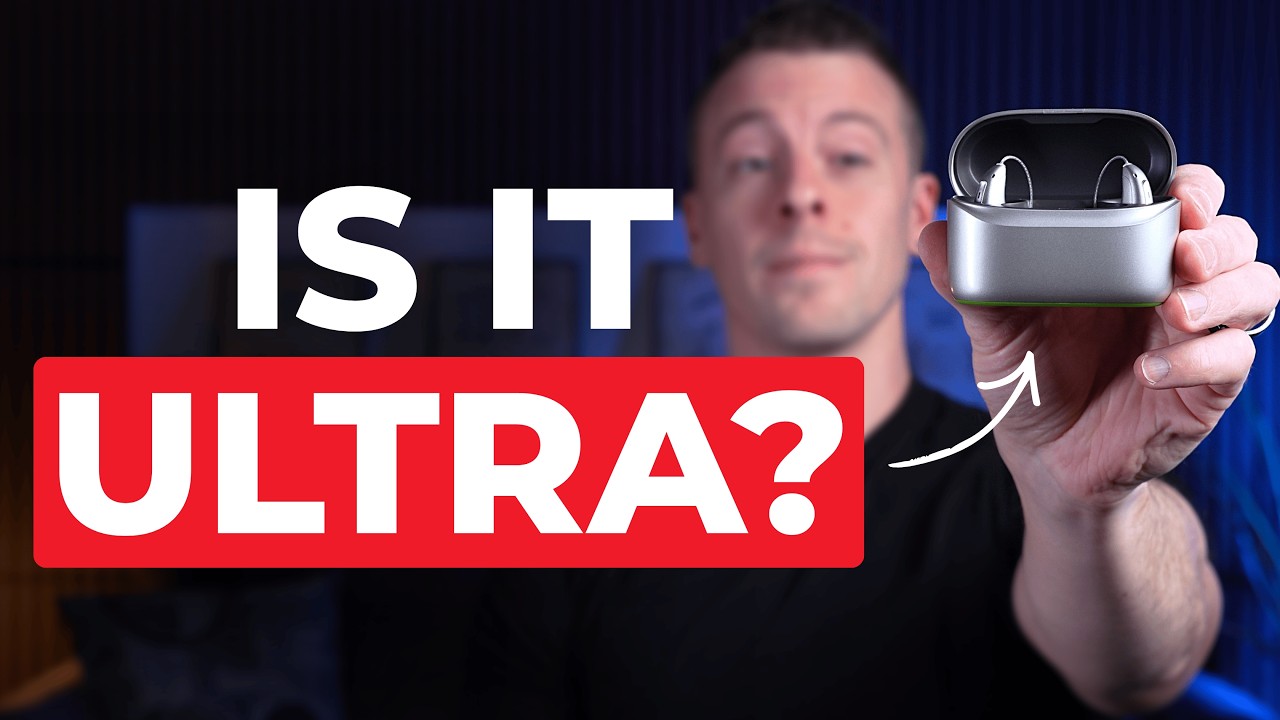
HearingTracker Audiologist Steve Taddei provides an overview of the Phonak Audéo Sphere Ultra Infinio hearing aid in this video.

The HearAdvisor lab has confirmed that Sphere’s technology is effective. Grab a pair of headphones (take out your hearing aids first, if you’re already wearing a pair) and listen to the new Phonak Infinio Sphere in background noise by visiting our full Infinio Sphere review (you’ll need to scroll to the lower part of the page for audio samples).

The Infinio Ultra Sphere doesn’t just perform well in background noise, it’s also the best hearing aid period.

Pros

  • Exceptional sound quality
    Phonak's new APD 3.0 algorithm in its fitting software now uses Harman Curves (a tool typically found in headphones and loudspeakers) for finding the most natural and pleasing sound experience
  • Extra-tough build
    Phonak has essentially extended the robust build of its Life product line; Infinio has the highest possible Ingress Protection (IP) rating for a hearing aid (IP68)

Elehear Beyond Pro is an affordable OTC hearing aid and HearingTracker's highest-rated product under $650.

The Beyond Pro is a significant upgrade, not just compared to its predecessor, the Elehear Beyond. It performs particularly well in background noise, showing stronger speech-in-noise lab results than any of the prescription hearing aids we have tested to date. While the Beyond Pro features an in-app hearing test, it doesn't support expert fine-tuning based on an audiogram, an area where Apple's AirPods Pro 2 and 3 remain ahead of Elehear. Nevertheless, its more comfortable receiver-in-canal style and longer battery life of up to 24 hours make the Beyond Pro more suitable as a hearing aid.

For more budget options, have a look at our list of the best and most affordable hearing aids.

Pros

  • Value
    Beyond is HearingTracker's best-rated OTC hearing aid under $650.
  • Comfort
    The receiver-in-canal design is more comfortable than most earbud-style hearing aids.
  • Battery Life
    Up to 24 hours per charge, plus up to four full charges with the portable charging case.

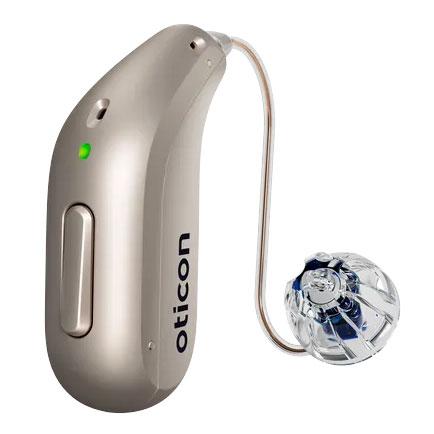
The Oticon Zeal is a nearly invisible, instant-fit prescription hearing aid that brings flagship-level processing into an in-ear form factor, something the industry has struggled to deliver until now. Launched in January 2026, Zeal runs on the same Sirius chip platform and DNN 2.0 AI as the Oticon Intent, the second-best prescription device on this list for speech-in-noise. Oticon calls this a new style category—"NXT"—combining a tiny, discreet in-canal design with rechargeability, Bluetooth LE Audio with Auracast, hands-free calling for iOS and Android, and an IP68 durability rating. No ear impression is required on day one, meaning a same-day fit is possible, with custom micro-earmolds available as an option. In HearAdvisor lab testing, Zeal earned a 4.3 SoundScore, an A SoundGrade, and an Expert Choice Award, with strong results for speech in both quiet and noise.

The in-ear form factor does impose real constraints. With only one microphone per device, as opposed to two directional mics found in most RIC hearing aids, Zeal has less spatial processing hardware than behind-the-ear alternatives, and it is suited to mild-to-moderate losses only. Users with significant high-frequency loss or dexterity challenges may run into its limits, and those accustomed to in-canal aids should be aware that wax management and maintenance demands are higher than with behind-the-ear styles.

Music streaming quality is only fair, and there is no telecoil. Available only in Oticon's premium tech tier, Zeal typically prices upwards of $5,000 a pair. For the right candidate, someone who wants the discretion of an invisible hearing aid without sacrificing flagship AI processing and modern wireless features, it is the most capable device in its form factor class.

Pros

  • Nearly Invisible Instant Fit: Zeal's NXT in-the-ear design is nearly invisible and can be fit on the same day without an ear impression, with custom micro-earmolds available as an option.
  • Flagship AI Processing in Tiny Form Factor: Powered by the same Sirius chip and DNN 2.0 AI as the Oticon Intent, delivering strong speech-in-noise performance confirmed by independent HearAdvisor lab testing.
  • Modern Wireless Connectivity: Supports Bluetooth LE Audio with Auracast for compatible iOS and Android devices, with hands-free calling included.
ADVERTISEMENTad for OticonADVERTISEMENTad for Oticon

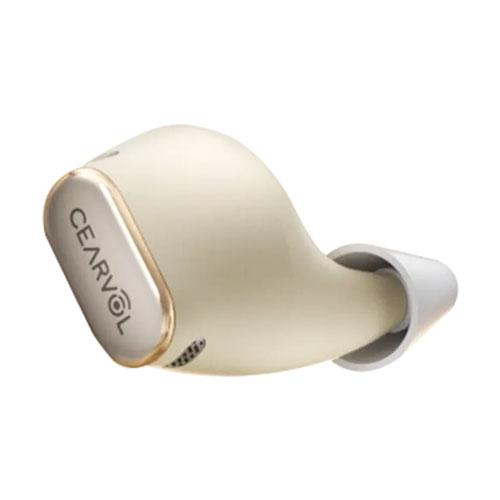
The Cearvol Wave is a visible in-ear OTC hearing aid priced at $399 a pair, which is well below most self-fitting devices, and dramatically below any prescription option. What sets it apart from other budget picks is its lab-verified speech-in-noise performance: In independent HearAdvisor testing, it scored 3.2 in noise (2 percentage points above the OTC average and 1.7 points above the all-device average), earned an overall SoundScore of 4.3 out of 5, and placed in the top 10 of all OTC hearing aids tested to date, and in the top 5 for speech-in-noise.

The Wave pairs great noise performance with Bluetooth streaming to both iPhone and Android and app-based sound customization; notably, the Cearvol app features large numbers and icons that make adjustments easy to read, though the interface itself could use a design refresh. A standout hardware feature is the portable charging case, which includes a touchscreen and doubles as a wireless remote control and remote microphone.

Battery life tops out at 10 hours per charge, and run times drop further in the Restaurant noise program and with heavy streaming use. A 15-minute quick charge adds 3 hours of use, which helps offset the limitation. Own-voice comfort is the Wave's weakest lab score, a full point below the overall average, meaning some users will find their voice sounds hollow or plugged up, a typical consequence of an occluding in-ear fit. Feedback handling also came in below the OTC category average. Build quality feels solid, particularly the charging case, but the IPx5 rating is lower than most hearing aids on this list, thus users should limit exposure to moisture and debris and handle accordingly.

Pros

  • Speech in Noise: In independent HearAdvisor lab testing, Wave scored in the top 5 of all OTC devices tested, with speech-in-noise results 2 percentage points above the OTC category average.
  • Wireless Streaming to iOS and Android: Wave supports Bluetooth audio streaming to both iPhone and Android devices, with hands-free calling included.
  • Versatile Charging Case: The portable charging case includes a touchscreen and doubles as a wireless remote control, remote microphone, and direct audio input.
ADVERTISEMENTad for ReSound

After testing over 60 modern hearing aids in the HearAdvisor acoustic lab, Oticon Intent emerged as a top performing prescription device in background noise. Danish manufacturer Oticon claims to use Deep Neural Network (DNN) technology to help users "access the sounds" most important to them, and based on our testing, the technology seems to be working.

In the HearAdvisor test lab, Intent was a top performer for speech in quiet, moderate, and loud noise when programmed for a common age-related hearing loss. When paired with the app and other wireless technologies, it offers some of the greatest speech audibility available on the market today.

As it is a prescription hearing aid, a hearing professional is involved in the fitting process to guide you through any programming and or physical adjustments needed. Should you suffer from ringing in the ears, your hearing care provider can also configure Oticon's Tinnitus Sound Support functions for you. The Intent is one of the best hearing aids for tinnitus.

The Oticon ConnectClip
The Oticon ConnectClip brings voices closer to you, elevating them over background noise.

Intent pairs with the Oticon On App, which provides the user with numerous ways to adjust the audio and noise handling. For example, you can adjust the "Soft Speech Booster" to bring up soft speech sounds, and there's even a 3-band EQ for adjusting the tone of streaming Bluetooth audio.

Intent can also pair with Oticon's ConnectClip remote microphone, allowing you to transmit audio directly to your ears from up to 20 meters (22 yards) away. Remote mics like ConnectClip can drastically improve the signal-to-noise ratio, making speech much easier to understand.

Pros

  • Wireless Control and Streaming
    Oticon Intent hearing aids offer wireless streaming and hands-free calling for both iOS and Android devices.
  • Remote Assistance
    Oticon also offers the Companion app which provides remote care features with your hearing care provider.
  • Rechargeable only
ADVERTISEMENTad for ReSoundADVERTISEMENTad for Phonak

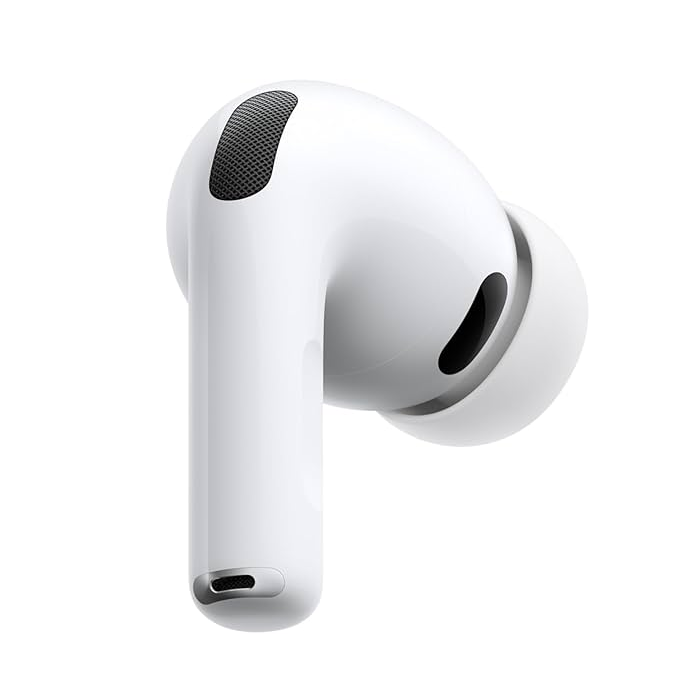
Those interested in a budget friendlier alternative to the Elehear Beyond that doesn't look like a hearing aid should consider Apple AirPods Pro 3. The AirPods offer a similar feature set and excellent streamed audio quality. They also allow you to take an on-ear hearing assessment or upload hearing data directly through the Apple Health app.

We did not find them to provide the same noise benefits, but they are available for around $250, making them much more accessible. AirPods also pair better with iOS devices, unlocking other desirable health tracking and hearing features.

ADVERTISEMENTad for Starkey

The AirPods Pro 3 can stream to Android. However, Android users will need an iOS device for the initial setup, and they won't benefit from the additional hearing and tracking features.

Pros

  • Affordable
    The lowest-priced OTC hearing aid on this list.
  • Includes a Hearing Test
    The test is done individually for each ear.
  • Supports Audiograms
    You can upload your professional hearing test data through the Apple Health app.

How We Picked the Best Hearing Aids in Background Noise

All hearing aids featured in this ranking were hand-tested and objectively evaluated in the HearAdvisor lab. To select the best hearing aids in background noise, we ranked the latest generation flagship hearing aids based on their average score in background noise, i.e. the average between the Initial and Tuned Fit scores. The Initial Fit reflects “out-of-the-box” performance whereas the Tuned Fit involves fine-tuning the hearing aids using audiological best practices. From the top performers, we selected the best hearing aid in background noise (our top pick), as well as high-scoring models that met other common needs such as usability, affordability, and diverse styles (e.g., earbud vs behind-the-ear).

Why Background Noise Is Hard

We've all been there—out at a loud restaurant asking the server to repeat themselves. The combination of music, chatter, and poor acoustics can create the perfect storm for poor communication. Add hearing loss to the mix, and you're pretty much hopeless.

ADVERTISEMENTad for PhonakADVERTISEMENTad for Signia

Understanding what others are saying can be difficult when loud sounds in the background drown out or obscure the words we're trying to hear. Our brains have to work hard to "fill in the blanks," often relying on a combination of context clues, facial cues, and lipreading.

This extra effort can lead to listening fatigue and physical exhaustion, and you may find yourself retreating from demanding social gatherings altogether to avoid the effort and potential embarrassment.

The inability to clearly hear speech in background noise, sometimes referred to as the "cocktail party problem," is well known—and a common focus of hearing technology manufacturers. Hearing aids and other assistive devices offer various means of improving speech clarity and listening comfort in noise.

When you can't focus on the voice of interest in a crowd—often referred to as the cocktail party problem.

How Do Hearing Aids Help in Noise?

Hearing aids and assistive listening devices employ various technologies, like directional microphones, to improve your ability to hear in background noise. The key to any such technology is to improve the signal-to-noise ratio (SNR), i.e., how much louder is the speech you want to hear versus the noise you don’t want to hear. Here are some examples of how hearing aids improve performance in noise:

Directional Microphones

Hearing aids generally have multiple microphones located either above the ear or down near the ear canal. These microphones provide slight differences in audio input and can be configured in different ways to boost all sounds or those from one direction. More advanced hearing aids even have the power to analyze different microphone combinations in real-time and use the one(s) most appropriate for your environment. One example of this is SpeechSensor in Phonak’s Infinio Sphere.

ADVERTISEMENTad for Signia

Directional microphones can be found in most high-quality prescription and OTC hearing aids that are large enough to accommodate them—and even advanced earbuds like AirPods Pro series. The quality of directional microphones can vary between products, and the SNR benefits can depend on factors such as individual hearing loss, the environment, noise levels, distance, and more. Most people can likely expect 3 to 6 dB SNR improvement in real-world situations.7,9 However, individual benefits will vary based on many factors.

An illustration of directional microphones in action on the AirPods Pro 2 with Conversation Boost. Source: Apple

Hearing aid manufacturers do not actually make directional microphones. These crucial components are developed and manufactured by large, specialized electronic suppliers (e.g., Knowles) and then employed in the aids by the manufacturers. So, their relative effectiveness compared to competing products relies less on the microphones themselves than on how and when they're used within the entire hearing aid system.

Digital Noise Reduction (DNR)

Noise reduction is another common type of signal processing offered in hearing aids. These algorithms work by splitting sound into different channels and providing less volume to those with greater noise. In doing so, the relative volume between speech and noise can be improved.

ADVERTISEMENTad for WidexADVERTISEMENTad for Yeasound

Steady-state noise, such as the constant hum of an air conditioner, fan, or car engine, is generally easier for the noise reduction algorithms in hearing aids to manage because its acoustic characteristics are stable over time. Therefore, a hearing aid should be more successful at reducing these types of noise compared to transient or fluctuating noise sources, which change rapidly over time.

By reducing steady-state sounds, hearing aids can enhance the contrast between speech and background noise. However, the actual improvement in speech recognition will depend on several factors, including the user's degree of hearing loss, the characteristics of the noise, the quality and sophistication of the noise reduction algorithm, and the individual's ability to adapt to and benefit from the technology.

It's important to note that while noise reduction can help with speech recognition, it's not a perfect solution. Noise reduction algorithms can sometimes inadvertently reduce some aspects of speech, which can make it harder for the listener to understand. Also, there are limitations in reducing non-steady state noises like those coming from multiple talkers in a crowded room. DNR can also negatively affect music listening.

Given the limited benefits in noisy situations like restaurants, DNR should not be considered a viable solution to the cocktail party problem. However, DNR can greatly improve listening comfort by reducing the annoyance of noise, including background chatter.1, 3, 8

Active Noise Cancellation

Active noise cancellation (ANC) can be found in some advanced earbuds, such as Apple AirPods Pro 3. This newer form of noise abatement can effectively reduce constant lower-frequency noises such as hums and whirring.

When ANC is enabled, the sounds around you are “cancelled” through an acoustical technique called phase inversion. Basically, the earbud’s speaker plays the same sounds that the microphone hears, but they are completely flipped or inverted. When the outside sound and inverted processed sounds are combined, they interfere, canceling the unwanted sounds around you.

The quality of ANC varies between companies. It works best with more occluding devices, such as earbuds and over-the-ear headphones. We do not currently see ANC in traditional hearing aids. However, you can wear headphones with hearing aids to add ANC.

Remote Microphones

Remote microphones are highly effective accessories that can wirelessly pair with hearing devices to significantly improve speech understanding. By placing a remote microphone near a person or clipping it to your spouse’s collar, you’re effectively bringing their voices closer to your ears. This is much easier than trying to hear someone from across a noisy table. It also minimizes the effect a reverberant room has on what you hear.

The Phonak Roger On V2 Supercharges your Hearing Aids | FULL FEATURE REVIEW!

Hearing aids are most effective at processing sounds within roughly 3 to 6 feet. As noted previously, the best directional microphone systems can provide about a 3-6 dB SNR improvement in optimal situations. In contrast, remote microphones can extend the useful range of hearing devices and have been found to offer SNR improvements of 15 dB or more!5, 6 This makes them the most effective speech-in-noise remedy available, and it's why most prescription hearing aid manufacturers offer remote microphones as an accessory.

Artificial Intelligence

Several companies are now using artificial intelligence (AI) in hearing aids, including machine learning and Deep Neural Networks (DNN), to improve the accuracy and effectiveness of their noise reduction systems. Starkey Genesis AI and Oticon Intent are two good examples, and while the benefits of these systems are not fully understood, we expect AI will continue to push the boundaries of hearing aid speech-in-noise performance.

ADVERTISEMENTad for Yeasound

Case in point: the more recent introduction of Phonak's dual-chip hearing aid, Audéo Sphere Infinio, which has one powerful chip dedicated solely to real-time AI-driven speech processing and denoising. This new hearing aid claims to provide a signal-to-noise (SNR) improvement of 10 dB—which has not been previously achievable except with the use of a remote microphone. It's also the top-performing hearing aid in the lab when it comes to background noise.

Given what we've seen, the opportunity to use AI for separating speech from noise—or, in the future, even recognizing your companions' voices in a din of competing speech sounds—is extremely promising in the decades-old quest for better hearing in noise.

Benefits of Fine-Tuning with a Hearing Care Provider

Hearing devices are marvels of modern science and they work best when programmed specifically for an individual's hearing needs. Real-ear measurements, or REMs, are the gold standard for doing this and it involves a hearing professional using prob microphones to analyze hearing aid output within the ear. REMs ultimately optimize speech audibility by verifying that your devices provide appropriate amplification for your hearing loss.

Hearing aid performance can be measured on the ear using a process called Real Ear Measurements, or REMs.

While REMs are not embraced by all providers4, it remains the best means of optimizing hearing aid performance and has been shown to improve speech understanding over other manufacturer instant-fit methods2. This is one reason why HearingTracker always recommends you visit a hearing provider who adheres to best practices.

Over-the-counter (OTC) hearing aids are also available, for those with a perceived mild-to-moderate hearing loss, and promise to offer similar benefits without the need to visit a doctor's office. HearAdvisor™, an independent hearing devices test lab, is working to verify such claims. While performance varies greatly between companies, it is clear that OTC hearing aids can benefit from similar fine-tuning as traditional devices.

How We Tested

A key part of HearAdvisor's hearing aid evaluation process involves testing devices in realistic spatial sound fields. These are generated using widely-favored ambisonic recordings and the statistical properties of an extensive variety of authentic spaces. This allows us to replicate the sound environments that users will encounter in their daily lives.

KEMAR manikin and hearing aid in test lab
The KEMAR acoustic manikin wearing Lucid's Engage OTC hearing aids.

In order to offer a more thorough analysis, we perform tests across multiple talkers from a variety of spatial locations. This helps us understand how a hearing device might perform in a number of real-world environments.

For testing, all hearing aids were setup for a mild to moderate hearing loss. So all test results are strictly limited to mild to moderate hearing loss. We have not evaluated any device's performance for more severe hearing loss levels, yet. And remember, the OTC hearing aids and earbuds that we tested are not intended for those with greater than mild to moderate loss, so we'd expect them to score poorly for severe hearing loss.

Best Hearing Aids for Background Noise - Independently Tested
Please note that HearAdvisor has tested many more hearing aids since this video was published. This article has been updated to reflect the latest tests, including replacing Oticon Real with Oticon Intent, Real's successor. Phonak Infinio has also replaced the Lumity.

We used the Hearing Aid Speech Perception Index v2 (HASPIv2) to quantify the expected improvement in speech intelligibility for each hearing aid. We chose this metric because it models the impaired auditory system and predicts intelligibility for a wide range of acoustic environments. For those looking to dive deeper, please check out our vetting process and HearAdvisor's whitepaper.

All "Hearing Aids" Not Created Equal

Hearing aids continue to advance and offer better tools for solving the noise problem. However, it is not always clear which device is most appropriate for your individual hearing needs. There are many choices available and companies offer similar marketing claims. But beware—not all hearing aids are created equal.

ADVERTISEMENTad for YeasoundADVERTISEMENTad for Oticon

To that second point, our experience shows that some of these claims are either unfounded or completely false. Take for example our deep dive on Amazon’s Top 4 Hearing Aids or this critical review of 24 Walmart hearing aids. All devices offered some claim of speech clarity yet we observed little to no speech intelligibility improvements—one device even made speech worse than normal listening.

There are fortunately numerous technologies that can improve hearing in background noise and hopefully this list offers some viable solutions for you. Speak with a hearing care provider for more specialized care, practice good communication strategies, and do not overlook the benefits of remote microphones if available for your hearing technology.

References

  1. Lakshmi, M. S. K., Rout, A., & O’Donoghue, C. R. (2021). A systematic review and meta-analysis of digital noise reduction hearing aids in adults. Disability and Rehabilitation: Assistive Technology, 16(2), 120-129.
  2. Amlani, A. M., Pumford, J. O. H. N., & Gessling, E. (2017). Real-ear measurement and its impact on aided audibility and patient loyalty. Hearing Review, 24(10), 12-21.
  3. Bentler, R., Wu, Y. H., Kettel, J., & Hurtig, R. (2008). Digital noise reduction: Outcomes from laboratory and field studies. International journal of audiology, 47(8), 447-460.
  4. Kirkwood, D.H. (2006). Survey: Dispensers fitted more hearing aids in 2005 at higher prices. The Hearing Journal, 59, 40.
  5. Boothroyd, A. (2004). Hearing aid accessories for adults: The remote FM microphone. Ear and Hearing, 25(1), 22-33.
  6. Lewis, M. S., Crandell, C. C., Valente, M., & Horn, J. E. (2004). Speech perception in noise: Directional microphones versus frequency modulation (FM) systems. Journal of the American Academy of Audiology, 15(06), 426-439.
  7. Ricketts, T. A. (2001). Directional hearing aids. Trends in Amplification, 5(4), 139-176.
  8. Boymans M, Dreschler WA. (2000) Field trials using Journal of the American Academy of Audiology/Volume 16, Number 7, 2005 482 a digital hearing aid with active noise reduction and dual-microphone directionality. Audiology 39:260–268.
  9. Hawkins, D. B., & Yacullo, W. S. (1984). Signal-to-noise ratio advantage of binaural hearing aids and directional microphones under different levels of reverberation. Journal of Speech and Hearing Disorders, 49(3), 278-286.
Diesen Beitrag teilen
  • Best Lists
Warum uns vertrauen?
295+Stunden Audioaufnahmen
95Getestete Hörgerätemodelle
5Branchenführende Audiologen
13Jahre unabhängig geführt & betrieben

2026 Guide Includes:
6 models benchmarked in our lab.

So testen wir

Inhaltsverzeichnis

  • Best Overall Hearing Aid in Background Noise
  • Best OTC Hearing Aid in Background Noise
  • Best Discreet Hearing Aid in Background Noise
  • Best Earbud in Background Noise
  • Best Prescription Runner-Up
  • Best Earbud Runner-Up
  • Background on Our Testing
  • Why Background Noise is Hard
  • How Hearing Aids Help
  • The Benefits of Fine-Tuning
  • Amazon and Walmart Warning
Schnellurteil

The 2026 Shortlist

Aktualisiert 2026 • 95+ Getestete Modelle
Top-AuswahlBest Overall Hearing Aid in Background Noise
Phonak Audéo Infinio Ultra

Flaggschiff-Verschreibungs-Hörgerät mit branchenführender Rauschleistung.

Expertenbewertung
4.4/5
From $3,998 / pair
Best OTC Hearing Aid in Background Noise
Elehear Beyond

Top-bewertetes OTC-Hörgerät mit Lärmleistung auf Verschreibungsniveau.

Expertenbewertung
4.4/5
$449 pro Paar
Best Discreet Hearing Aid in Background Noise
Oticon Zeal

Nahezu unsichtbares verschreibungspflichtiges Hörgerät mit Flaggschiff-Oticon-AI und Bluetooth LE Audio.

Expertenbewertung
4.3/5
$4,598 pro Paar
Expert Fitting Recommended

In our tests, all hearing aids provided clearer speech in noise when fine-tuned by an audiologist.

1

Price tiers cover very different needs: This list spans $250 to $4,000 a pair. Each step up generally buys better noise performance, more precise fitting, or professional support, but the right choice depends on your hearing loss severity, lifestyle, and how much self-management you're comfortable with.

2

AI is now the deciding factor in noise: The best-performing devices on this list—prescription and OTC alike—use dedicated AI or deep neural network processing to separate speech from noise. The gap between AI-driven devices and those without it is measurable in the lab and noticeable in real life.

3

Tuning makes a measurable difference: Most devices on this list performed better in the lab after audiologist fine-tuning than out of the box. Whether you're buying prescription or OTC, getting a professional fitting—or at minimum using the app's hearing test—is worth the effort.

Lab tested

Each device was tested in a custom-built acoustic lab using spatially accurate ambisonic recordings of real-world environments, including busy restaurants and offices.

Real-world usage

Our audiologists wear each hearing aid for at least a week, evaluating build quality, battery life, Bluetooth stability, comfort, app experience, and day-to-day handling.

Noise Verification

We ranked devices by their average HASPIv2 speech-in-noise score across Initial and Tuned Fit conditions, then picked top performers among prescription and OTC devices.

From $3,998 / pair
$449
$4,598
$397
$4,898
$240
Freisprechen
Wiederaufladbar
iPhone-Streaming
Android-Streaming
Telefonspule
Stereo Bluetooth streaming
Streaming from iPhone, iPad, MacOS, Android, Windows, and any other Bluetooth-enabled audio device. It can pair with up to 8 Bluetooth devices and has 2 active Bluetooth connections.
  • Hands-free calling in stereo
    True hands-free calling from Bluetooth-enabled phones and VOIP services like Skype
  • Enhanced connectivity and greater stability
    The ERA chip can shift between streaming and acoustic input without missing conversations and provides twice the distance for transmitting audio from a smartphone to the aids compared to two other competitors.
  • Tap controls
    You can double-tap the hearing aids to accept/end phone calls, pause/result streaming, and access voice assistants like Siri, Alexa, and Google Assistant
  • Motion sensing
    An ultra-low power accelerometer detects when you move and adjusts the hearing aid microphones and noise cancellation settings
  • Health tracking
    If using the myPhonak app, you’ll be able to track steps, distances walked or run, heart rate, activity levels, and hearing aid wear times
  • RogerDirect
    Users can stream audio from Phonak's portable Roger remote microphone directly to their hearing aids.
  • Cons

    • Size
      The hearing aids are larger compared to previous models, particularly at the bottom. This may be an issue for new hearing aid users or those with limited space behind their ears.
    • Charger Design
      The charger well is too small to accommodate custom earmolds, particularly for users with canal locks or skeleton locks. This can be frustrating for individuals who rely on custom ear molds for their hearing aids.
    • Battery Life
      While the standard battery life is up to 16 hours, using the high-performance "Spheric Speech in Loud Noise" program significantly reduces battery life to around 7 hours, which may necessitate midday charging.
    • Lack of MEMS Speaker Technology
      The new receivers do not have MEMS solid-state silicon speaker technology, limiting the gain above 8,000 Hz.
    • No Telecoil
      None of the receiver-in-canal models in this series come with a telecoil, which may be a limitation for those who rely on telecoil technology for assistive listening.
    • Bluetooth
      The device does not yet support LE Audio, meaning it’s limited to Bluetooth Classic. This may be disappointing for users who want the enhanced features and reduced battery drain of LE Audio, even though a future firmware update could enable this.
    • Limited Compatibility with CROS
      The Sphere Infinio hearing aids are not compatible with the CROS Infinio R device, meaning users with single-sided deafness cannot use this model with CROS technology.
    • Power Drain of High-Performance Program
      The advanced Spheric Speech program is highly power-hungry, meaning frequent use will deplete the battery quickly.
  • Wireless Streaming to iOS and Android
    Stream audio via Bluetooth 5.3 from your phone to your hearing aids and use hands-free calling.
  • Feature-rich App: Sound customization, tinnitus maskers, goal tracking, translation tools, and a remote microphone function.
  • Telehealth Support: Connect with Elehear's hearing care professionals, including audiologists, for guidance and adjustments.
  • Cons

    • Sound Artifacts
      Can produce distracting clicks or abrupt changes in dynamic listening environments.
    • Limited Fine-tuning
      Remote adjustments are conservative and lack the precision of in-clinic real-ear verification.
    • Size
      The Elehear Beyond will be more visible than other receiver-in-canal hearing aids, as its body, which sits behind the ear, is slightly larger.
    • No Shared Listening Features: The Beyond Pro lacks a Telecoil and doesn't support Auracast.
    • Sub-par IP rating
      IPX5 means the Beyond Pro is resistant to water jets from any direction (5), but not to stronger jets or short submersion, and its dust ingress protection (IP) is unknown (X).
  • Rechargeable With Good Battery Life: Up to 20 hours of battery life with typical streaming; 15 minutes in the portable charger provides 4 hours of use, and the case holds 3 full charges.
  • Exceptional Durability: First-ever encapsulation technology for in-ear hearing aids, with an IP68 rating, the highest available for hearing aids.
  • Cons

    • Limited to Mild-to-Moderate Loss: The CIC-style form factor caps high-frequency gain, making Zeal unsuitable for users with more significant hearing loss.
    • Harder to Handle: The tiny in-canal design can be difficult to insert and manage for users with dexterity challenges or limited arm movement.
    • Single Microphone Per Device: Unlike most RIC hearing aids, Zeal has only one microphone per ear, which limits directional processing capability.
    • No Telecoil: Zeal does not support induction loop systems, though Auracast provides an alternative for compatible venues.
    • Premium Pricing Only: Available exclusively in Oticon's top technology tier, with typical street prices upwards of $5,000 a pair.
    Quick Charge: A 15-minute charge adds 3 hours of use, helping offset the shorter battery life.
  • App With Readable Interface: The Cearvol app offers multiple programs and sound customization tools, with large numbers and icons designed for easy visibility.
  • Cons

    • Battery Life: Wave tops out at 10 hours per charge, well below the hearing aid category average, with shorter run times in the Restaurant program and during heavy streaming use.
    • Own-Voice Comfort: Wave scored a full point below the overall HearAdvisor average for own-voice perception; some users may notice their voice sounding hollow or boomy.
    • Feedback Handling: Feedback control came in below the OTC category average in HearAdvisor lab testing.
    • Lower IP Rating: With an IPx5 rating, Wave offers less protection against moisture and debris than most hearing aids on this list and requires extra care.
    Intent is available in a single rechargeable form factor for the time being.
  • Open-Ear Comfort
    Most people can wear Intent with open ear tips, leaving your ears canals open. This means no blocked-up feeling, and your voice will sound more natural to you.
  • Accessories
    Intent hearing aids can be paired with Oticon accessories, such as the ConnectClip, improving audibility from far distances and or in noise.
  • Cons

    • Expensive
      Oticon Intent carry the price of a typical prescription device at an average retail cost of $3,613 per hearing aid. While this price generally includes various professional services from a hearing professional, depending on your budget, you may need/want to pursue a lower-cost hearing solution.
    • Professional Assistance Required
      While not entirely negative, Intent are traditional hearing aids and must be fit by a hearing professional. There is no self-fit option and some may prefer this approach.
  • Sound Personalization
    The Hearing Assistance menu within iOS lets you fine-tune the amplification, balance, tone, ambient noise reduction, and boost conversations.
  • Wireless Streaming to iOS and Android
    Excellent Bluetooth streaming quality and hands-free calling.
  • Cons

    • Short Battery Life
      Depending on your usage and settings, you can expect around eight hours per charge and up to 32 hours with the charging case.
    • Short Lifespan
      The Lithium-ion batteries will likely start failing after two to three years. Unfortunately, AirPods are not designed to be repaired.
    • Tech Support Only
      Since these aren't hearing aids, support will be limited to technical concerns.
    • HearingTracker Staff

    Bewertung
    4.4
    Phonak Audéo Infinio Ultra
    Angebot anzeigen
    Alle Angebote anzeigen

    Best Overall Hearing Aid in Background Noise: Phonak Audéo Infinio Ultra

    Ab $4,598pro Paar

    Das Infinio Ultra Sphere ist HearAdvisors am höchsten bewertetes Verschreibungs-Hörgerät in Hintergrundgeräuschen. Sein DEEPSONIC AI-Chip liefert SNR-Gewinne, die bisher nur mit einem Remote-Mikrofon erreichbar waren, wie durch unabhängige Labortests bestätigt.

    Ideal für

    MusikliebhaberLaute UmgebungenTinnitus-Linderung

    Wichtige Merkmale

    Angebot anzeigen
    Alle Angebote anzeigen

    Expertenbewertung

    Bewertung
    4.3
    Oticon Zeal
    Angebot anzeigen

    Best Discreet Hearing Aid in Background Noise: Oticon Zeal

    Ab $4,598pro Paar

    Das Oticon Zeal ist ein nahezu unsichtbares, sofort anpassbares verschreibungspflichtiges Hörgerät, das mit demselben Sirius-Chip und der DNN 2.0 AI des Flaggschiffs Intent angetrieben wird. Wiederaufladbar mit 20-Stunden-Akkulaufzeit, IP68-bewertet und streamt via Bluetooth LE Audio auf iPhone und Android.

    Wichtige Merkmale

    Hands-Free
    Wiederaufladbar
    Streaming
    Angebot anzeigen

    Expertenbewertung

    Bewertung
    4.4
    Elehear Beyond
    Angebot anzeigen
    Alle Angebote anzeigen
    Bewertung
    4.4
    Cearvol Wave
    Angebot anzeigen

    Best Earbud in Background Noise: Cearvol Wave

    Bewertung
    4.4
    Oticon Intent
    Angebot anzeigen
    Best Prescription Runner-Up
    Bewertung
    4.1
    Apple AirPods Pro 3
    Angebot anzeigen
    Hands-Free
    Wiederaufladbar
    Streaming
    Streaming
    Induktionsspule
    IP68
    Streaming
    Induktionsspule
    IP68

    Best OTC Hearing Aid in Background Noise: Elehear Beyond

    Ab $449pro Paar

    Das Beyond Pro schneidet in HearAdvisors Sprachverständlichkeitstests bei Hintergrundlärm besser ab als alle bisher getesteten Verschreibungshörgeräte. Mit einem Preis von oft unter 600 $, macht dies es zur stärksten OTC-Wahl für laute Umgebungen.

    Ideal für

    ErschwinglichkeitLaute Umgebungen

    Wichtige Merkmale

    Hands-Free
    Wiederaufladbar
    Streaming
    Streaming
    Induktionsspule
    IPx5
    Angebot anzeigen
    Alle Angebote anzeigen

    Expertenbewertung

    Ab $397pro Paar

    Das Cearvol Wave ist ein sichtbares Hörgerät für das Innenohr mit OTC-Bewertung zu einem Preis von 399 $ pro Paar. Mit DNN-basierter Rauschverarbeitung unterstützt es Streaming auf iPhone und Android und erzielte in den Top 10 aller von HearAdvisor Lab getesteten OTC-Geräte mit überdurchschnittlichem Sprachverständnis bei Lärm.

    Ideal für

    Erschwinglichkeit

    Wichtige Merkmale

    Hands-Free
    Wiederaufladbar
    Streaming
    Streaming
    Induktionsspule
    IPx5
    Angebot anzeigen

    Expertenbewertung

    :
    Oticon Intent
    Ab $4,898pro Paar

    Das Oticon Intent zeigte unter verschreibungspflichtigen Hörhilfen die zweitbeste Leistung in Hintergrundgeräuschen. Mit seiner Deep Neural Network (DNN) Technologie verstärkt es die Geräusche, die für Benutzer am wichtigsten sind.

    Ideal für

    Laute UmgebungenTinnitus-Linderung

    Wichtige Merkmale

    Hands-Free
    Wiederaufladbar
    Streaming
    Streaming
    Induktionsspule
    IP68
    Angebot anzeigen

    Expertenbewertung

    Best Earbud Runner-Up: Apple AirPods Pro 3

    Ab $240pro Paar

    Mit etwa 250 USD pro Paar sind die AirPods Pro 3 die zugänglichste Option auf dieser Liste und bieten erstklassige OTC-Personalisierung durch einen On-Ear-Hörtest und einen Audiogramm-Upload über Apple Health.

    Ideal für

    Musikliebhaber

    Wichtige Merkmale

    Hands-Free
    Wiederaufladbar
    Streaming
    Streaming
    Induktionsspule
    IP57
    Angebot anzeigen

    Expertenbewertung