Wir überprüfen jeden von uns empfohlenen Artikel unabhängig und schätzen Ihr Vertrauen und Ihre Unterstützung. Wenn Sie über unsere Links kaufen, erhalten wir möglicherweise eine Provision.Mehr erfahren.
The Best Affordable Hearing Aids We Tested in 2026
Many cheap hearing aids punch well above their weight. Discover the best affordable hearing aids—from $99 to $1,700 per pair—and learn how to avoid getting ripped off!
Unser Expertenteam wählt Produkte sorgfältig aus und testet sie gründlich. Wenn Sie über unsere Links kaufen, erhalten wir möglicherweise eine Provision. So halten wir unsere Bewertungen unabhängig.
Warum uns vertrauen?
295+Stunden Audioaufnahmen
95Getestete Hörgerätemodelle
5Branchenführende Audiologen
13Jahre unabhängig geführt & betrieben
2026 Guide Includes: 6 models benchmarked in our lab.
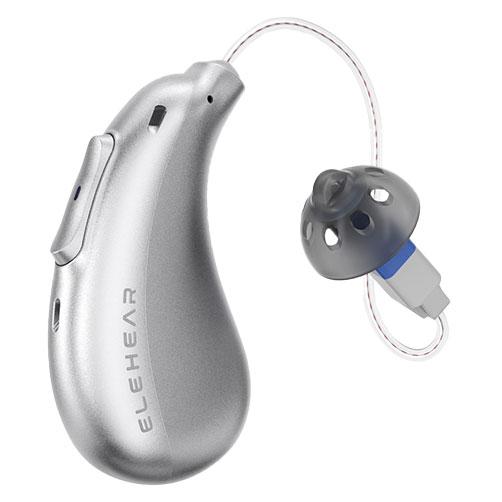
Das Elehear Beyond Pro ist ein selbstanpassendes OTC-Receiver-in-Canal (RIC)-Hörgerät mit Top-2%-Laborleistung unter OTC-Geräten, 24-Stunden-Akku und Bluetooth-Streaming sowie Freisprechfunktion für iOS und Android. Kostenlose Fernbetreuung durch einen Audiologen ist enthalten, allerdings nur an Wochentagen.
Warum wir es ausgewählt haben
Top-2% OTC lab score for speech in quiet and noise
Custom programming and remote care included.
Incredible value for mild to moderate hearing loss.
Kompromiss: IPX5 rating falls short of the IP68 found on most other picks, and remote care is limited to weekdays.
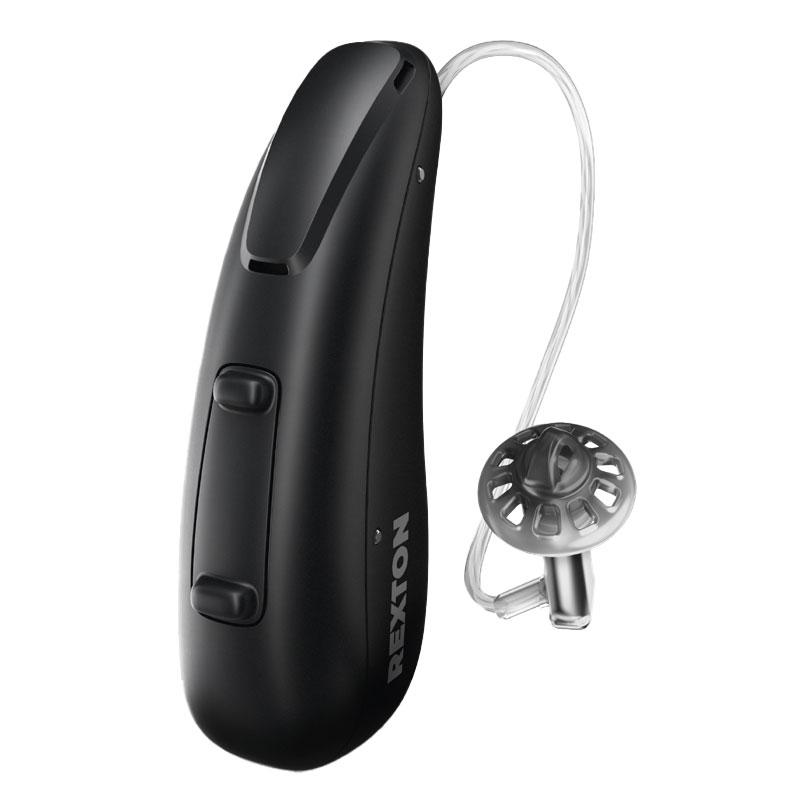
Das Rexton Reach R-Li T ist eine RIC-Verschreibungshörhilfe, die bei Costco, HearUSA und einigen Privatkliniken erhältlich ist. Sie verfügt über Multi-Track-Sprachverarbeitung, einen 39-Stunden-Akku, Bluetooth LE Audio, iOS- und Android-Streaming, freihändiges Telefonieren und eine Telecoil.
Warum wir es ausgewählt haben
Top-15% overall HearAdvisor score among all devices
Speech-in-noise performance rivals much pricier prescription (Rx) aids
Includes in-person professional care at a fraction of flagship Rx hearing aid prices
Kompromiss: Available only through Costco, Hear.com, and select networks, not at independent clinics outside those channels.
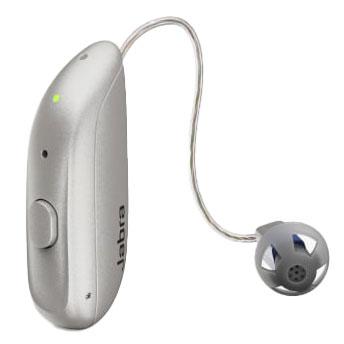
Die Jabra Enhance Select 300 ist eine mittlere OTC-Hörhilfe auf Basis der ReSound OMNIA-Technologie mit individueller Fernprogrammierung, 24-Stunden-Akku, Bluetooth-Streaming und drei Jahren Telemedizin-Audiologieunterstützung.
Warum wir es ausgewählt haben
Built on ReSound OMNIA technology, with lab-verified prescription-grade sound quality
Three years of telehealth audiology care, including custom programming and ongoing adjustments, included in the price
IP68-rated build with 24-hour battery and a portable charging case that holds three additional charges
Kompromiss: At $1,695, it costs less than most prescription hearing aids but more than every other pick on this list. Still, its speech-in-noise score, while above the OTC average, trails the Rexton Reach. It's the right call if you want remote professional care without a clinic visit, but buyers who can get to a Costco should compare carefully.
Prices and availability are subject to change. We independently review each item we recommend and appreciate your trust and support. When you buy through our links, we may earn a commission.
This article explores the more-affordable hearing aid options offered by both the traditional medical-model manufacturers and the alternative products currently available.
Note that for the OTC hearing aids, we provide you with the “official price” of the devices at this writing, but most are perpetually “on sale,” and shopping around online can often get you a better bargain. You should also be aware that we’ve calculated prescriptive hearing aids based on value (performance vs. price) in a separate article.
Most Affordable: Elehear Beyond Pro
At $649, Elehear Beyond Pro is the most affordable hearing aid with the best lab scores on this list. It performs impressively well in quiet environments (4.3/5), on par with the best prescription hearing aids. It also delivers exceptional performance in background noise (3.6/5), coming out ahead of all prescription aids tested in the HearAdvisor lab so far.
The Beyond Pro features audio streaming and hands-free calling via Bluetooth with both iOS and Android devices. It offers an extended frequency range of up to 8,500 Hz, with 24 kHz studio-grade sound fidelity and a new music mode designed to preserve the richness of vocals and the sharpness of high-frequency instruments. The Beyond Pro’s battery will last you for up to 24 hours per charge and a full charge takes as little as 1.5 hours.
Unlike many other OTC hearing aids, Elehear offers free remote care for both the Beyond Pro and the Beyond. Elehear’s licensed audiologists can also program the Beyond Pro using the results of a professional hearing test. However, remote care is only available from Monday through Friday.
Note that both the Beyond and Beyond Pro have an Ingress Protection (IP) rating of IPX5, meaning their dust resistance is unknown and they are protected against water jets from any angle—but they are not waterproof. If you need hearing aids that are more resistant to water, the Rexton Reach, Jabra Enhance Select 700, or the Audicus Omni 2 are a better choice as they all carry an IP68 rating.
Most Affordable Prescription Option: Rexton Reach
At $1,600 per pair, the Rexton Reach R-Li T is one of the most affordable prescription (Rx) hearing aids. It made our list not only because it’s an affordable hearing aid, but also because it punches above its weight when it comes to performance and features.
In the HearAdvisor lab, the Rexton Reach R-Li T achieved a SoundGrade of A, placing it in the top 15% of all tested devices. Rexton's technology can focus on multiple voices and selectively amplify their volume above background noise, even as speakers move around. Compared to premium hearing aids, most affordable devices drop off a cliff when it comes to amplifying speech in noise, but the Rexton Reach is close to the top, with a 2.4/5 professionally-tuned score, outperforming many higher-priced competitors like ReSound Nexia.
The rechargeable receiver-in-canal Rexton Reach hearing aid has a battery life of up to 39 hours per charge, supports Bluetooth LE with wireless audio streaming and hands-free calling from compatible iOS and Android devices, it's Auracast-ready and features a Telecoil.
You can find Rexton Reach hearing aids, including the R-Li T model, at Costco, Hear.com, and in independent practices of the HearUSA / HearCANADA, and Helix networks.
Best Support: Jabra Enhance Select 300
The Jabra Enhance Select 300 is a receiver-in-canal OTC hearing aid built on the same platform as the ReSound OMNIA, a well-regarded prescription product line from GN Hearing. That lineage shows up in the lab: HearAdvisor gave it a SoundScore of 4.3 out of 5 and a SoundGrade of A. Speech in quiet is a clear strength, scoring 4.0 out of 5, above the OTC category average and competitive with prescription alternatives. Speech in noise is above the OTC average as well, though it remains a harder problem for any self-fit device without real-ear measurements.
What makes the Select 300 stand out on an affordability list is what comes with it. At $1,695, the price includes three years of telehealth audiology care: custom programming based on your audiogram, ongoing remote adjustments, video appointments, and 7-day-a-week access to Jabra's audiology team. That level of professional involvement is unusual for an OTC device and meaningfully closes the gap between self-fit and clinic-fit outcomes. The app is well-designed, mirroring the ReSound Smart 3D interface, and gives you direct control over volume, four listening programs, a noise filter, and a three-band equalizer.
Build quality is another area where the Select 300 earns its price. The IP68 rating puts it in the same durability class as prescription hearing aids, the rechargeable battery delivers 24 hours of use per charge, and the portable case holds three additional full charges. One limitation worth noting: Response times from Jabra's care team can be slow, with some users reporting waits of up to two weeks for app-based support requests. For buyers who are comfortable managing occasional delays and want meaningful professional oversight without setting foot in a clinic, the Select 300 is a well-supported option at the upper end of this list.
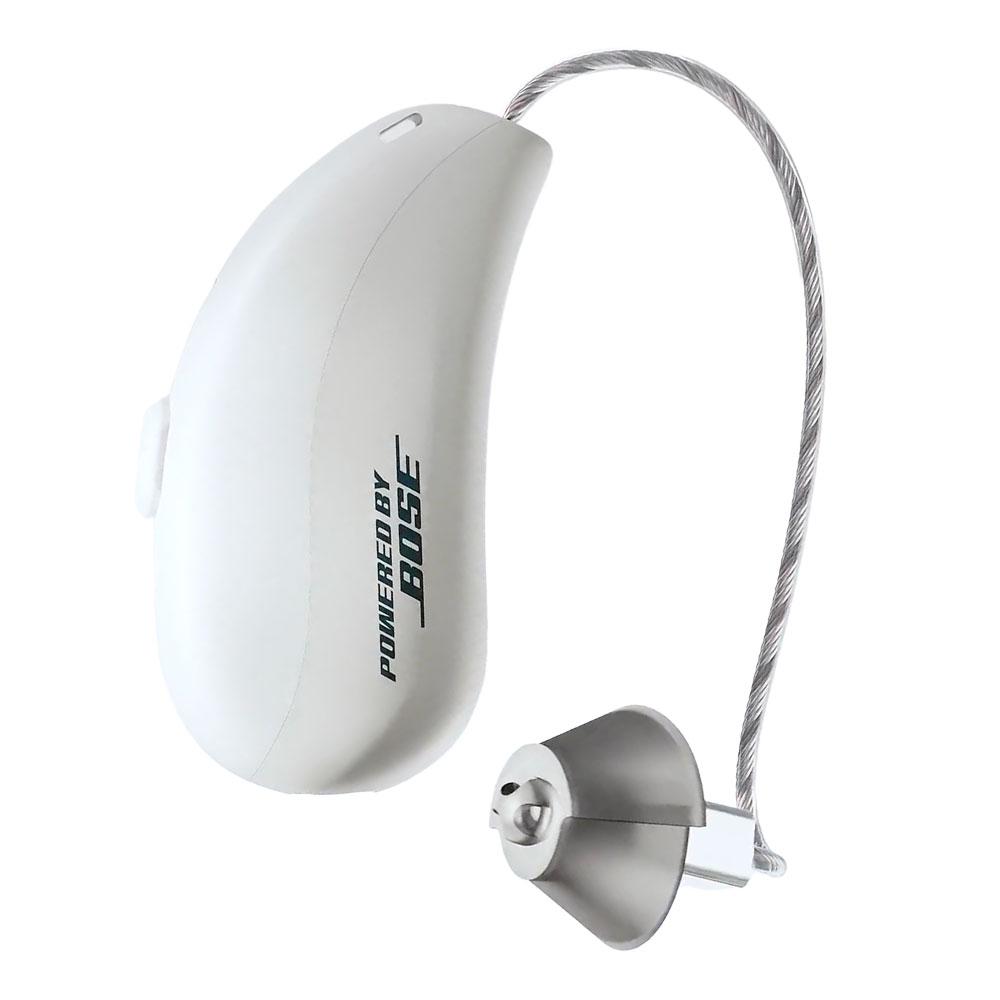
Best for Streaming: Lexie B3 Powered by Bose
The Lexie B3 Powered by Bose is the newest model in Lexie’s OTC lineup and a meaningful step up from the B2 Plus in three areas: processing power, battery life, and Bluetooth streaming.
In HearAdvisor lab testing, it earned a SoundScore of 4.5/5, placing it among the top 25% of all hearing aids tested, including OTC and prescription, putting it well above the OTC category average of 3.47/5. Speech clarity in quiet is its biggest strength, scoring 4.2/5 or 1.57 points above the OTC norm, which translates to noticeably cleaner one-on-one conversation and easier TV listening. Streaming performance is another standout: at 1.45 points above the OTC category average, the B3 outperforms most rivals in its class for phone calls, podcasts, and media, an advantage that matters more than it might seem for users who wear their hearing aids throughout the day. Battery life reinforces this: 32 hours per charge plus three additional charges in the portable case add up to roughly five days of off-grid runtime.
Setup runs through the Lexie app, which walks users through an in-app hearing test and generates a personalized sound profile with four environmental programs, three-band frequency adjustment, and per-ear volume control. Automatic Sound Focus adjusts the directional microphones based on surrounding noise, switching between Everywhere, Natural, and Focused modes without manual input. IP68-rated dust and water resistance and a 45-day trial round out a solid package for a self-fit device at this price point. At $999, the B3 costs more than the B2 Plus and isn't the budget pick on this list, but for users who prioritize lab-verified sound performance, heavy streaming use, and extended battery life, it's the stronger choice.
Lexie also offers the Lexie B2 Plus Powered by Bose, a receiver-in-canal OTC hearing aid that includes audiologist-quality customization and free lifetime Lexie Expert support. The B2 Plus features Bluetooth call streaming from compatible iOS and Android devices. Now that it’s been superseded by the B3, you may find it on sale for $899 per pair or less.
All of Lexie’s hearing aids offer a 45-day trial, remote professional care, and a 1-year warranty. While Lexie has discontinued its Lexie Club membership, you can still purchase Lexie’s Protection Plan, which extends coverage to 24 months for certain accidental damage and repairs, plus options for lost, stolen, or irreparably damaged devices.
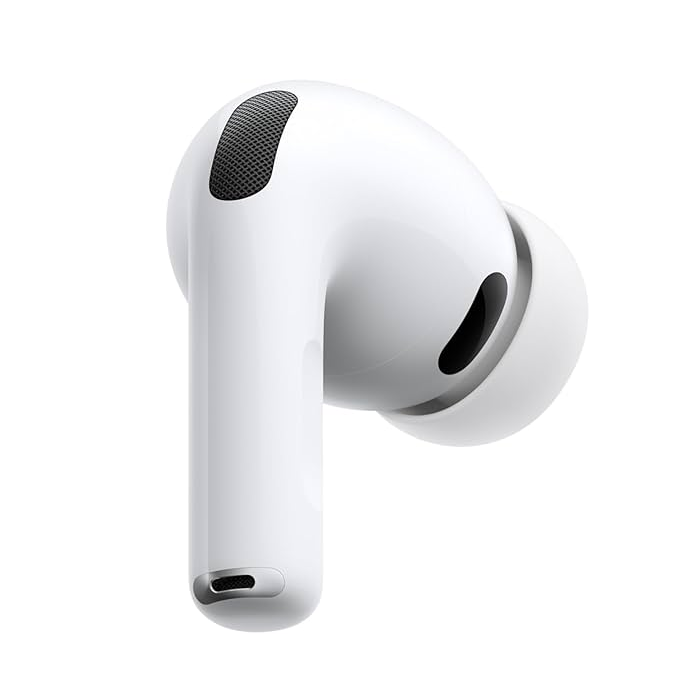
Best for iPhone Users: Apple AirPods Pro 3
The Apple AirPods Pro 3 offer surprising hearing benefits for what’s primarily a set of wireless earbuds. Equipped with everything you’d expect from quality earbuds, they also include an FDA-approved hearing aid mode via software.
Within Apple’s Health app, you can either take a built-in hearing test or enter the results from a third-party audiogram. Not only can the AirPods Pro 3 enhance streaming audio, they can also amplify external sounds and serve as hearing aids.
At just under $250 per pair, nothing else on this list comes close, and lab testing confirms they can genuinely help people with mild to moderate hearing loss. With one important caveat: Out of the box, they don’t perform particularly well as hearing aids. Tuning makes all the difference. With the volume increased and the brighter tone setting enabled, tuned speech-in-quiet scores jump from 0.9 to 3.5 out of 5, and speech in noise goes from 1.2 to 2.7, both well above the OTC category average.
Battery life tops out at 10 hours per charge in hearing aid mode, which makes them better suited to part-time or situational use than all-day wear. The IP57 rating offers reasonable water resistance but falls short of the IP68 standard found on most dedicated hearing aids. Fit can also be an issue — some users find the foam-infused ear tips uncomfortable during extended wear. And hearing aid settings are buried several menus deep inside iOS, with no dedicated app. Android users will need an iPhone to set up the hearing aid feature, and they won’t be able to adjust it from their phone. If you’re an iPhone user looking for the lowest possible entry point into better hearing, the AirPods Pro 3 are a legitimate option, just plan to spend time dialing in the settings.
For a lower cost option, consider the Apple AirPods Pro 2. They top out at 8 hours per charge in transparency mode, only offer IP54 dust and moisture protection, but offer similar hearing aid benefits as the AirPods Pro 3.
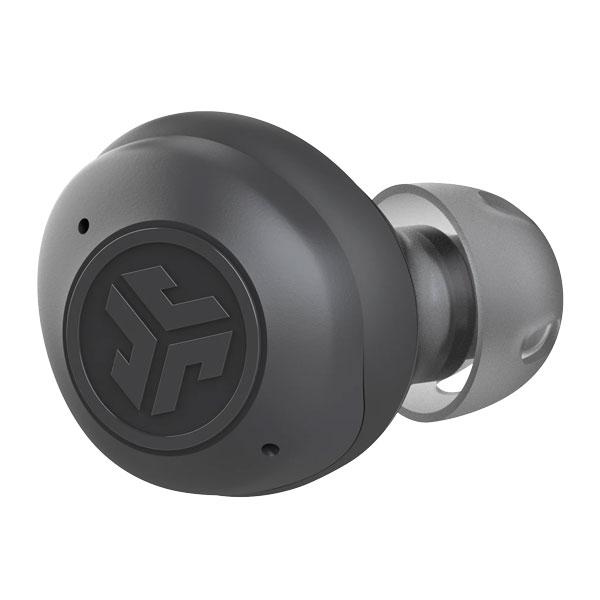
Best Preset Earbud: JLab HEAR OTC
Offered at less than $100, the JLab Hear is the least-expensive OTC hearing aid listed in this review. It works well in quiet and gives you at least some benefit in noise. This hearing aid / earbud hybrid scored well in HearAdvisor testing (SoundScore of 3.6 on a 5-point scale).
For its price, JLab Hear features impressive technology, including rechargeability, iPhone and Android audio and call streaming, and good sound quality. We want to be clear that it doesn't match the performance of a high-end prescription or OTC hearing aid, but hey, it's under $100, and in a pinch could at least serve as your backup or replacement hearing aid.
How We Picked the Most Affordable Hearing Aids
To pick the most affordable hearing aids, we set an affordability threshold at $2,000. Hearing aids within that price range had to meet performance targets for speech in quiet (3.5+) and speech in noise (1.5+) to be considered; the performance was measured in the HearAdvisor lab. We ranked matching models based on their HearingTracker Score, which incorporates hands-on qualitative testing, and selected the best model in each category, including best prescription, best support, and most affordable hearing aid.
How much do hearing aids cost in 2026?
We asked more than 1,100 consumers about their recent hearing aid purchase. We found that hearing aid costs have dropped dramatically since our last survey in 2018, with the average price falling 42% to $2,694 per pair. This shift is largely driven by affordable alternatives like over-the-counter (OTC) devices and Costco offerings. OTC hearing aids average just $502 per pair, with some budget options costing as little as $20, making them accessible to people with mild-to-moderate hearing loss who might otherwise go untreated. Costco has emerged as a value leader for prescription devices, offering advanced technology from major manufacturers like Philips, Jabra, Rexton, and Sennheiser at an average of $1,674 per pair.
These affordable options stand in stark contrast to traditional prescription hearing aids purchased through private clinics, which average $4,727 per pair without insurance. Premium brands like Phonak, Oticon, and Starkey typically range from $3,800 to $4,200 per pair at traditional providers. The price difference reflects Costco's volume purchasing power, lower overhead costs, and streamlined fitting process, while OTC devices eliminate professional services entirely to reduce costs.
However, price doesn't tell the whole story about outcomes. While traditional clinics and Costco show similar satisfaction rates (77-82%), budget OTC devices under $400 lag significantly, with only 48% of users satisfied. Higher-end OTC options with professional telehealth support, like Jabra Enhance models at around $1,700 per pair, perform much better, suggesting that both product quality and professional fitting support matter for successful outcomes, even in the affordable hearing aid market.
Why are hearing aids so expensive?
A standard medical-model hearing aid will set you back anywhere from several hundred dollars for a set of OTC devices to over $4,000 per ear for a top-of-the-line prescription hearing aid. Hearing aids are expensive because you're paying for multiple things:
The hardware
Hearing care professionals order hearing aids through wholesale accounts and often pay $1,000-2,000 per device, depending on the technology level. Hearing aid manufacturers claim that the prices are this high due to the research and development that goes into creating the products.
Network costs
Distribution, including honoring warranties and returns-for-credit, as well as helping to train professionals on the use of their products, add to the device costs that manufacturers pass down to hearing clinics.
Professional services
Finally, you're paying for services, such as fitting your hearing aid and up to 5 years of free follow-up care. While most hearing aids come bundled with services, it is possible to find providers who will sell you follow-up services as an add-on when you purchase your hearing aids, and some others offer follow-up care on a pay-per-appointment basis.
Real-ear measurements (REMs) is a test that many audiologists perform to validate appropriate hearing aid amplification.
Let’s not forget that modern hearing aids are more than just a battery-powered microphone with an amplifier. Recent advances in chip technology, artificial intelligence, and digital data processing have massively improved the sound quality these high-tech listening devices can achieve, especially for more severe hearing loss. On top of that, wireless technology, mobile apps, and new battery technology have taken convenience to the next level. Advanced features like this, as well as health options like tinnitus programs, further drive up the price.
Of course, hearing aid manufacturers benefit from progress in other fields. Still, considering their limited niche, their research and development cost per unit sold is enormous, compared to, for example, a set of consumer earbuds, where the market is so much larger. What’s more, with only a handful of manufacturers dominating the hearing aid market, it’s much less competitive than the markets for most consumer electronic devices.
Typical Pricing for Low- and High-Level Technology
Do some of the affordable options above seem too expensive for you? Here is an overview of what you can expect to pay for the flagship models offered by leading medical-model hearing aid brands. These numbers are based on data provided to HearingTracker by hearing care professionals across the country.
When buying hearing aids, you can almost cut your costs in half if you're willing to settle for a lower technology level. Below, we show more ways how you can cut your costs substantially. But, in exchange, you may have to compromise on technology, features, and services.
Another reason we’re so acutely aware of the price of hearing aids is that, unlike many other medical aids and services, they’re typically not covered by health insurance.
Presently, Medicare offers no coverage for hearing aids. In fact, Medicare coverage for hearing aids and related services was expressly excluded from the Social Security Act of 1965, meaning it would literally take an Act of Congress to change it. The Biden administration’s Build Back Better Act—a vast omnibus bill that included the addition of hearing aid coverage under Medicare—was passed by the U.S. House in late-2021 but died in the Senate. While it seems likely Medicare will one day provide at least some coverage for hearing aids, we definitely don’t recommend waiting; currently, there are no promising changes on the legislative horizon.
And any bill that might make it into law would take some time to be enacted and necessarily exclude some people due to costs. For example, even if passed in 2022, the Build Back Better Act wouldn't have been in effect until January 2024. It also provided aids only for those with moderately severe to profound hearing loss—excluding the vast majority of people who could benefit from hearing aids.
Acknowledging the above, some Medicare Advantage plans do have a hearing aid benefit. If you are enrolled in one of these plans, call the number on the back of your Medicare Advantage card and ask, ”What is my hearing aid benefit?” Increasingly, states are mandating that insurance plans cover hearing aids. There are several other ways you might get help paying for hearing aids (e.g., VA benefits and TRICARE, Medicaid, etc.). Check out HearingTracker's article "Paying for Hearing Aids with Health Insurance" and A Guide to Paying for Hearing Aids for money-saving tips.
In the meantime, let’s see how you can get affordable hearing aids to help you now.
Over-the-counter (OTC) hearing aids have brought down the price of hearing devices—at least at first glance. Since you won’t have to consult a hearing care professional before purchasing OTC hearing aids, they are essentially unbundled by default. The lower price makes those listening devices more accessible, but it comes at a cost: a lack of service and individualized fitting.
OTC hearing aids are suitable for adults with self-perceived mild-to-moderate hearing loss. But, we’re notoriously bad at judging our own hearing. Chances are, you won’t know how bad your hearing really is until you’ve completed a hearing test. You can quickly or several other . However, we always recommend getting a comprehensive hearing examination from an audiologist to get a baseline and confidently rule out medical pathology. If you’re determined to skip the office visit, at minimum, we recommend taking the offered by Mayo Clinic and Northwestern University.
Best Options for Making Hearing Aids Affordable
Hearing aid prices aren’t regulated. While some hearing clinics may not be willing to slim down their margins, you may find better deals by shopping around. Ultimately, it comes down to finding the right care provider and product that meet your specific needs.
Check Your Insurance Coverage and Compare Prices
As noted above, while Medicare doesn’t cover hearing aids, many private health insurances do. Third-party care providers like Epic and TruHearing work with insurance companies to provide hearing care benefits to their members. If your insurance is among them, you could get a large portion of the cost covered.
If your insurance covers hearing aids, be sure to ask whether they will accept out-of-network care providers. If they do, you could reach out to different hearing clinics to compare prices. Often, hearing care clinics can offer you a better deal than your insurance’s third-party care provider.
Buy a Lower-End or Basic Technology Model From a Local Provider
Depending on your type of hearing loss, you may not need the most advanced technology level—or want to pay for it! For most hearing losses, a well-fitted basic hearing aid will give you all (or most) of the benefits of better hearing while not breaking the bank. In fact, a study by the late-great audiologist-researcher Robyn Cox, PhD, showed that a quality economy-level hearing aid could attain very similar outcomes to a premium-level hearing aid—if it’s fit by a professional who knows what they’re doing and uses clinical best practices.
Ask your hearing care provider if you really need the additional features of more advanced and expensive models. For example, will you stream audio from your phone to your hearing aids, do you need a tinnitus program, or would a rechargeable device really make your life that much easier? If the answer is no, you might do fine with a simpler model.
Because most hearing care practices now have to compete with the likes of Costco and Sam’s Club (see below), it’s becoming fairly common for them to offer hearing aids for around $1,500 a pair—if you insist on their lowest-technology level aid (and if that hearing aid is suitable for your hearing needs).
Pay for Services as You Go
Another way to reduce the upfront cost is to purchase hearing aids independently of additional services. Here’s a little-known fact about hearing healthcare (and much of healthcare in general): if you have a relatively simple problem that requires only a couple of office visits, you’ll still pay about the same as a person with a complex problem who requires double the number of visits. We can debate the merits or fairness of this, but in most hearing care practices, you’ll pay the same as everyone else for services—no matter how many appointments you require.
Recognizing this, it’s becoming increasingly common for clinics to unbundle their prices, so you can purchase a hearing aid and pay separately for the services—such as a hearing test, real-ear measurement, device programming, orientation, replacement parts, and maintenance—as you go.
Depending on your situation, this may or may not save you money in the long run, but it could help reduce the initial purchase price. Some practices even offer different service packages based on hearing loss and needs. Moreover, if you’re not happy with the service you’re receiving or have to relocate, you’ll be able to switch providers more easily.
Alternatively, if unbundling is not an option, you could inquire how to finance your hearing aids. Just be careful to review the payment terms to ensure interest payments don’t balloon the overall cost excessively, and also make sure to pay off the hearing aids by the agreed-upon date(s) so you don’t incur extra interest charges.
Weigh the Merits of a Subscription Hearing Aid Plan
If you want to take the sting out of the initial hearing aid payment, you can also look into subscription hearing aids like Lyric and Audicus. With these devices, rather than buying them outright, you can pay a monthly fee that covers your aids and additional benefits, including maintenance, support, accessories, loss and damage protection, software updates, and regular hardware upgrades. Since you’re essentially leasing the aids, you can cancel your contract anytime, though restrictions and penalties may apply. Generally, the support for these aids consists of only online assistance, but some companies offer in-person office visits, too. Check out our article “Pros and Cons of Subscription Hearing Aid and Financing Plans” for details, as well as some of the OTC aids below.
Veterans Affairs (VA) Hearing
Aid Care
If you’re eligible for VA healthcare, you might also qualify for its hearing aid care. Members can schedule an appointment to have their hearing evaluated. If the audiologist recommends a hearing aid, the VA will cover the hearing aid and all associated costs.
Unfortunately, not everyone with hearing loss automatically qualifies for coverage under the VA. The VHA Directive 1034, which governs the prescription and provision of hearing aids to veterans, refers to 38 CFR 17.149 in regard to which veterans are eligible for hearing aids.
Costco (above) and Sam's Club hearing aids are generally a good value but can come with their own unique drawbacks.
Cheap hearing aid options NOT recommended: Don't get ripped off!
Not every affordable hearing device will meet OTC guidelines. Many unscrupulous brands offer cheap hearing aids that promise relief but don’t actually work. Some companies market these devices as “FDA-approved” OTC hearing aids but are not technically OTCs. Unfortunately, the FDA rarely takes action on these scofflaw companies.
In this video, Clifford "Dr. Cliff" Olson, AuD, provides an overview of what he views as the top-5 hearing aid scams: reselling cheap hearing aids from overseas, articles in the press that seem to favor a particular hearing device, fake hearing aid reviews, not honoring refunds during the trial period, and local hearing aid clinics that don't follow professional best practices.
Here are some tips to avoid getting scammed:
Watch out for aggressive marketing, unrealistic promises, short trial periods, and false claims. Another frequent red warning light is the lack of an address, contact information, or direct customer service support. As we mentioned, all hearing aids can malfunction; if yours breaks, you'll need a company that stands behind its products and gives you a solution. The Brattleboro Hearing Center breaks down other common hearing aid scams.
Don’t trust testimonials on the seller’s website. Instead, check the company’s Better Business Bureau (BBB) rating and any customer reviews or complaints posted to its BBB listing.
Use the HearingTracker search engine to look up the product and company. We provide expert reviews on the best (and some not-so-good) hearing aids, implants, and hearables. In many cases, you can find the products on our Comparison Page, which allows you to listen and compare individual products lab-tested by HearAdvisor in several different listening environments.
Use our Hearing Loss Forum, an online community affiliated with HearingTracker, to search for firsthand experiences about the product(s) you're considering. Also consider becoming a member and helping others in your situation!
Beware of fake online reviews. They can be hard to spot, but sometimes you’ll notice dead giveaways, like the exact same wording showing up in multiple reviews or comments posted in quick succession with only a few newer comments.
Is it a new or generic brand? See whether you can find a white-label (unbranded) product version on sites like Alibaba or AliExpress, online marketplaces stocked by Chinese manufacturers. If you do, examine the price difference; that’s the scammer’s margin!
Dr. Cliff provides his viewpoint about the lawsuit filed against Nano hearing aids by the state of Vermont and points out the lax enforcement of hearing aid regulations by the FDA.
Ivory Hearing has debunked another cheap rechargeable hearing aid. Most online hearing aids follow a similar pattern: to promise the best hearing aids at an incredibly low price, supported by false claims and fake testimonials. Often, they also discredit hearing care professionals.
Diesen Beitrag teilen
Warum uns vertrauen?
295+Stunden Audioaufnahmen
95Getestete Hörgerätemodelle
5Branchenführende Audiologen
13Jahre unabhängig geführt & betrieben
2026 Guide Includes: 6 models benchmarked in our lab.
Most hearing aids on this list are over-the-counter (OTC) models. Some don't include professional care, while others only offer limited remote care.
1
Price and performance don't always move in lockstep: This list spans $99 to $1,695, and a higher price doesn't guarantee better sound. For example, the $599 Elehear Beyond Pro scores in the top 2% of all OTC devices tested and also outperforms much more expensive prescription hearing aids, such as the Rexton Reach, in key metrics like hearing in quiet and noise.
2
OTC hearing aids have real limits: They're designed for adults with self-perceived mild to moderate age-related hearing loss. Anyone with a more severe or complex loss, including medical red flags like sudden or one-sided loss, ear pain, or vertigo should see a professional first. And even suitable candidates should know that without a professional relationship, gradual changes in hearing or device performance can go unnoticed and uncorrected.
3
Care and support are part of the value equation: The gap between a $99 instant-fit device and a $1,599prescription aid isn't just about sound, it's about who programs it, how it's adjusted over time, and whether a professional is involved. OTC picks on this list range from no support at all to free lifetime remote audiologist care. Meanwhile, prescription hearing aids always include in-person professional care.
Lab tested
To evaluate hearing aids, our partner lab HearAdvisor has captured 295+ hours of audio recordings in a custom-built acoustic lab using calibrated speakers and an industry-standard acoustic manikin.
Hands-on testing
Our team of audiologists at HearingTracker has tested 95+ hearing aid models in real environments, including busy restaurants, offices, and outdoor spaces, wearing each for at least a week.
Transparent selection
Among hearing aids costing $2,000 or less, we used HearAdvisor SoundScores to surface devices that scored well in quiet and noisy settings, then ranked those models based on their HearingTracker Score.
The six most popular global hearing aid brands and pricing for their flagship brands, ranging from their lowest and highest technology levels. *Asterisks denote not enough data in HT's data base for an average price listing.
A significant challenge of owning hearing aids is device maintenance issues. According to Doctor Cliff, 20% of appointments at his clinic are related to servicing hearing aids—and he often finds that hearing aids fail to meet manufacturer specifications after long periods of use. In other words, the sound quality of a hearing aid can degrade over time—often unbeknownst to the wearer because, like hearing loss, it happens so gradually. With OTC hearing aids, you will miss out on these quality checks unless you can find a care provider to service them which, of course, will cost extra.
And sometimes, it’s your hearing and not the hearing aids that get worse. The annual checkups provided by a hearing care provider assess both the performance of the hearing aids and your hearing. If your hearing deteriorates, your provider should tune up your hearing aids to accommodate the change, ideally with verification from real-ear measurements.
On the bright side, due to the lower price, OTC hearing aids make hearing devices more financially accessible. This hopefully puts a big dent in the “unaided” population that has been sitting on the sidelines, doing nothing about their hearing problems. Moreover, the increase in competition may lead to technological innovations that improve performance and outcomes across the board. Additionally, we think some audio giants will incorporate important hearing personalization features into their higher-end products in the same way that Apple recently created a Hearing Aid Mode for its Apple Airpods Pro 2 earbuds.
However, remember that OTC hearing aids aren’t suitable for everyone. Adults with severe or profound hearing loss (or medical red flags) and children should always see a professional. ASHA warns that children treated with OTC hearing aids “are at risk for severe complications due to untreated ear disease; inadequate amplification leading to severe, permanent, and disabling language impairment; as well as additional hearing loss due to inappropriate levels of amplification.”
Moreover, if you have any of the conditions listed below, the National Institutes of Health recommend to “see a licensed physician promptly,” as you may have an underlying medical condition:
Fluid, pus, or blood coming out of your ear within the previous six months.
Pain or discomfort in your ear.
A history of excessive ear wax or suspicion that something is in your ear canal.
Episodes of vertigo (severe dizziness) with hearing loss.
Sudden hearing loss or quickly worsening hearing loss.
Hearing loss that has gotten more and then less severe within the last six months.
Hearing loss or tinnitus (ringing) in only one ear, or a noticeable difference in how well you can hear in each ear.
OTC hearing aids aren’t for everyone, but they will help some.
You can buy cheap brand-name hearing aids in online marketplaces like eBay, but it's dicey at best. One commenter on our forum recommends getting the serial number and verifying its legitimacy with the manufacturer. Otherwise, you might end up with stolen goods. Some of these "second-hand" or “never-used” hearing aids are old and require programming software clinicians no longer use. Depending on the style and technology—and how it matches up with your unique hearing profile and needs—you may find that hearing care professionals are reluctant, or even say it's impossible, to fit you with that hearing aid. Finally, be aware these hearing aids do not come with a warranty for loss or damage.
Is buying a monaural (one) hearing aid a possibility—even if the professional says you need a binaural (two hearing aids) solution? The technical answer is “yes,” but it’s a poor solution for several reasons. Having two ears isn’t simply for back-up or “system redundancy,” any more than your right eye exists because you might poke out your left. Binaural hearing has many advantages, including notably better sound processing, the ability to hear in three-dimensional space so you can locate and “zoom in” on sound sources, and better hearing in noise. In fact, there is a range of amplification options for people who have hearing loss in only one ear (e.g., see our articles about CROS / BiCROS hearing aids and bone-anchored hearing aids).
Since most people have bilateral hearing loss and almost all studies point to much better outcomes for those who opt for binaural hearing aids, your hearing care professional is probably correct in urging you to buy two hearing aids. There is also the issue of auditory deprivation in the unaided ear, meaning that the longer that ear remains without sound, the more your brain is going to rewire itself and the harder it might be for you to use hearing aids on that ear in the future.
The bottom line is yes, you could get one hearing aid, and yes, that should allow you to hear better. If that's literally your onlyoption then, by all means, do it. But in almost all cases, there are better alternatives which we'll cover below.
To get VA healthcare, veterans first need to apply for eligibility. This is typically done by applying for disability starting with the VA’s Form 10-10EZ. If the veteran is registered with the VA and receives healthcare services, they can make an appointment directly with a VA audiologist to determine their hearing status and the need for a hearing aid. For more information about obtaining a hearing aid from the VA, visit the VA Rehab and Prosthetics page.
Look Into Reputable Online Hearing Aid Retailers
There are a few trusted online retailers, like ZipHearing and Yes Hearing, that work with local clinics to offer fixed price hearing aid + service bundles. We know that ZipHearing works directly with reputable hearing aid manufacturers, which is important because some retailers sell “grey market” products that have dubious product warranties. The company also has a good reputation with the audiology community. Note: HearingTracker partners with ZipHearing and other national providers to offer discounted hearing aid prices to its visitors.
Consider Purchasing at Costco or Sam’s Club
Both Costco hearing aids and Sam’s Club hearing aids are dispensed by state-licensed hearing care professionals at a great price point. Here’s how these companies can sell hearing aids at such low prices:
Being mass wholesale clubs, they enjoy huge volume discounts on their devices. Costco is one of the largest distributors of hearing aids in the United States and buys hearing aids in bulk, which brings down the price significantly; Sam’s Club Hearing Aids are staffed and run by Lucid Hearing and has its own hearing aid brand.
Both employ a shop-in-shop model, which minimizes overhead substantially vs. traditional brick-and-mortar offices/clinics.
Both usually employ state-licensed hearing aid specialists, which are generally paid less (on average) than audiologists.
Costco and Sam’s Club hearing aids can be a great deal if the hearing aid center you visit is staffed with a skilled provider who adheres to best practices and isn’t over-taxed in terms of having available time to spend with existing clients. Given the latter, these stores may not be the best for people with more severe or complex hearing losses who require more professional time, counseling, accessories, etc.
At Costco, you can get brand-name hearing aids from Jabra, Philips, and Rexton. Costco even mandates the use of real-ear measurements at all of its hearing centers. Additionally, because they sell hearing aids from global hearing aid manufacturers, you can get these aids reprogrammed and serviced at most hearing aid clinics (i.e., unlike Sam’s Club, they are not “locked” so other providers can adjust them). Costco’s standard 3-year warranty covers repairs and replacements, as needed. During a 2-year loss-and-damage warranty period, you can even get one hearing aid per year replaced, free of cost.
Sam’s Club’s Lucid Hearing Aids offer good sound quality and a range of options in terms of Bluetooth, rechargeability, extended warranty/care packages up to 3 years, with prices ranging from about $1,299-$5,000 per pair (although costs can vary depending on add-on features and services). We think Sam’s is also a good place if you’re torn between a prescription or OTC hearing aid. For example, Lucid Engage received an Expert Choice 2023 Award from the HearAdvisor test lab, and a Lucid-certified clinician will even program your OTC aid for $198—or you can trade it in for a prescription aid if you’re still in the 90-day trial period. However, Lucid hearing aids at Sam’s Club are "locked,” meaning you can’t get them reprogrammed by another professional outside the network.
Check Out the Better-Performing OTC Hearing Aids
Try searching for hearing aids on Amazon or your favorite search engine, and you’ll be flooded with options. To help you find the right OTC solution, we regularly update our selection of the best OTC hearing aids. You can also visit the HearAdvisor Leaderboard, select “OTC hearing aids” and view the ranking
Tina Sieber ist eine Technologiejournalistin mit über 10 Jahren Erfahrung und einem PhD in Biochemie. Nach einem Anfall von plötzlichem einseitigem Hörverlust wurde bei ihr 2018 ein gutartiger Gehirntumor diagnostiziert. Seitdem schreibt sie über Hörverlust und testet Hörgeräte für große Technik-Publikationen.
Brad Ingrao, AuD ist ein Doktor der Audiologie, der in einer Familie mit schwerhörigen Menschen aufgewachsen ist. Er praktiziert klinische Audiologie seit 1992. Als früher Unterstützer disruptiver Technologien und Praktiken bekannt, sucht er ständig nach Wegen, um den Zugang zu qualitativ hochwertiger Hörentwöhnung zu verbessern.
Das Rexton Reach R-Li T ist eine RIC-Verschreibungshörhilfe, die bei Costco, HearUSA und einigen Privatkliniken erhältlich ist. Sie verfügt über Multi-Track-Sprachverarbeitung, einen 39-Stunden-Akku, Bluetooth LE Audio, iOS- und Android-Streaming, freihändiges Telefonieren und eine Telecoil.
Das Elehear Beyond Pro ist ein selbstanpassendes OTC-Receiver-in-Canal (RIC)-Hörgerät mit Top-2%-Laborleistung unter OTC-Geräten, 24-Stunden-Akku und Bluetooth-Streaming sowie Freisprechfunktion für iOS und Android. Kostenlose Fernbetreuung durch einen Audiologen ist enthalten, allerdings nur an Wochentagen.
Die Jabra Enhance Select 300 ist eine mittlere OTC-Hörhilfe auf Basis der ReSound OMNIA-Technologie mit individueller Fernprogrammierung, 24-Stunden-Akku, Bluetooth-Streaming und drei Jahren Telemedizin-Audiologieunterstützung.
Das Lexie B3 Powered by Bose ist ein selbstanpassendes OTC-RIC-Hörsystem mit erstklassigen Laborergebnissen, ganztägiger Akkulaufzeit, IP68-Haltbarkeit und starkem Bluetooth-Streaming für iOS und Android, unterstützt durch lebenslange Fernunterstützung von Lexie-Hörexperten.
Die Apple AirPods Pro 3 sind kabellose Ohrhörer mit FDA-zugelassener Hörhilfenfunktion über iOS. Sie unterstützen den Upload von Audiogrammen, In-App-Hörtests, aktive Geräuschunterdrückung und bieten bis zu 10 Stunden Akkulaufzeit im Hörhilfenmodus mit IP57-Haltbarkeit.
Die JLab Hear OTC ist eine Earbud-förmige Sofort-Passform-Hörhilfe für leichten bis mittelschweren Hörverlust. Sie streamt Audio und unterstützt freisprechende Anrufe über Bluetooth für iOS und Android, bietet vier Voreinstellungsprogramme und erzielte überdurchschnittliche Ergebnisse in HearAdvisor-Labortests.
)
)
)
)
)
)
)
)


:format(webp))


:format(webp))